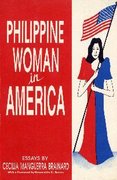
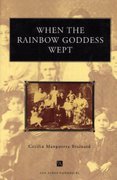
Hi, Thursday, April 7, 2011, I start teaching a six-week class, The Essential Beginnings: An Introductory Creative Writing Workshiop, at the Writers Program, UCLA Extension. Call 310-206-0951 for more information. Here's the Syllabus. I hope you can join us.
SYLLABUS
THE ESSENTIAL BEGINNINGS:
AN INTRODUCTORY CREATIVE WRITING WORKSHOP
Instructor: Cecilia Manguerra Brainard; www.ceciliabrainard.com
Brainard's email: Cbrainard@aol.com; note in subject "UCLA-X Student"
For administrative matters, call Mae Respicio at 310-206-0951
Course Description: Many aspire to write creatively, but few know how to get started. A supportive workshop for those who wish to write for personal or professional satisfaction, this course provides many fundamental techniques--from journal writing to imaginative in-class exercises--all geared to motivate and cultivate the beginning creative writer. Topics include writing from observation and experience, creating dynamic characters, developing points of view, and writing dialogue. By the course's completion, you have in hand a series of short sketches or a draft of a story.
Class Calendar: This is a six-week class. Class starts Thursday, 04/07/2011, ends 05/12/2011
Grading: Grading will be based on attendance, class participation, and homework.
Required Reading:
Fundamentals of Creative Writing, by Cecilia Manguerra Brainard, Anvil 2009 (distributed by PALH; available in Kindle Amazon.com)
Suggested Reading:
Points of View: Anthology of Short Stories, ed. Moffett & McElheny, New American Library
Writing in General and the Short Story in Particular, by Rust Hills, Bantam
The Elements of Style, by Strunk and White, Macmillan Publishing
The Art of Fiction, by John Gardner, Vintage
On Writing and the Novel: Essays by Paul Scott, ed. Shelley C. Reese, William Morrow
Aspects of the Novel, by E.M. Forster, Harcourt Brace Jovanovich
The Right-Brain Experience, by Marilee Zdeneck, McGraw-Hill
The International Directory of Little Magazines and Small Presses, ed. Fulton and Ferber, Dustbooks
Writers Market, by Writers Digest Books, F&W Publications When the Rainbow Goddess Wept, by Cecilia Manguerra Brainard, University of Michigan Press,1999; available from Amazon.com
Magdalena, by Cecilia Manguerra Brainard, Plain View Press; available from Amazon.com
Weekly Schedule:
1. Introductions; Understanding the right brain/left brain theory; Setting & Scene
2. Character; Conflict
3. Dialogue; Point of View
4. Plot
5. Voice, tension; Business of Writing
6. Final Project
Tuesday, March 29, 2011
I'll be Teaching a Creative Writing Workshop, begins April 7, 2011

 Cecilia Manguerra Brainard's official website is ceciliabrainarddotcom. She is the award-winning author and editor of 22 books, including When the Rainbow Goddess Wept, The Newspaper Widow, Magdalena, Selected Stories, Vigan and Other Stories, and more. She edited Growing Up Filipino 1, 2, & 3, Fiction by Filipinos in America, Contemporary Fiction by Filipinos in America, and other books..
Her work has been translated into Finnish and Turkish; and many of her stories and articles have been widely anthologized.
Cecilia has received many awards, including a California Arts Council Fellowship in Fiction, a Brody Arts Fund Award, a Special Recognition Award for her work dealing with Asian American youths, as well as a Certificate of Recognition from the California State Senate, 21st District, and the Outstanding Individual Award from her birth city, Cebu, Philippines.
She has lectured and performed at UCLA, USC, University of Connecticut, University of the Philippines, PEN, Shakespeare & Company in Paris, and many others. She has served in the Board of literary arts groups such as PEN, PAWWA (Pacific Asian American Writers West), among others.
Cecilia Manguerra Brainard's official website is ceciliabrainarddotcom. She is the award-winning author and editor of 22 books, including When the Rainbow Goddess Wept, The Newspaper Widow, Magdalena, Selected Stories, Vigan and Other Stories, and more. She edited Growing Up Filipino 1, 2, & 3, Fiction by Filipinos in America, Contemporary Fiction by Filipinos in America, and other books..
Her work has been translated into Finnish and Turkish; and many of her stories and articles have been widely anthologized.
Cecilia has received many awards, including a California Arts Council Fellowship in Fiction, a Brody Arts Fund Award, a Special Recognition Award for her work dealing with Asian American youths, as well as a Certificate of Recognition from the California State Senate, 21st District, and the Outstanding Individual Award from her birth city, Cebu, Philippines.
She has lectured and performed at UCLA, USC, University of Connecticut, University of the Philippines, PEN, Shakespeare & Company in Paris, and many others. She has served in the Board of literary arts groups such as PEN, PAWWA (Pacific Asian American Writers West), among others.
Monday, March 28, 2011
WELCOME MAO - 3 month old Classic Tabby Kitten
Introducing Mao, our new pet, a 3 month-old Tabby kitten. He's wearing the cone of shame because he was just fixed. Mao is a red tabby with the typical M on his forehead and the classic bullseye on his sides. He's beautiful, bright, and has a great mellow personality. His name Mao means Cat in Vietnamese; 2011 is the Year of the Cat in Vietnam (it's Year of the Rabbit in China).


 Cecilia Manguerra Brainard's official website is ceciliabrainarddotcom. She is the award-winning author and editor of 22 books, including When the Rainbow Goddess Wept, The Newspaper Widow, Magdalena, Selected Stories, Vigan and Other Stories, and more. She edited Growing Up Filipino 1, 2, & 3, Fiction by Filipinos in America, Contemporary Fiction by Filipinos in America, and other books..
Her work has been translated into Finnish and Turkish; and many of her stories and articles have been widely anthologized.
Cecilia has received many awards, including a California Arts Council Fellowship in Fiction, a Brody Arts Fund Award, a Special Recognition Award for her work dealing with Asian American youths, as well as a Certificate of Recognition from the California State Senate, 21st District, and the Outstanding Individual Award from her birth city, Cebu, Philippines.
She has lectured and performed at UCLA, USC, University of Connecticut, University of the Philippines, PEN, Shakespeare & Company in Paris, and many others. She has served in the Board of literary arts groups such as PEN, PAWWA (Pacific Asian American Writers West), among others.
Cecilia Manguerra Brainard's official website is ceciliabrainarddotcom. She is the award-winning author and editor of 22 books, including When the Rainbow Goddess Wept, The Newspaper Widow, Magdalena, Selected Stories, Vigan and Other Stories, and more. She edited Growing Up Filipino 1, 2, & 3, Fiction by Filipinos in America, Contemporary Fiction by Filipinos in America, and other books..
Her work has been translated into Finnish and Turkish; and many of her stories and articles have been widely anthologized.
Cecilia has received many awards, including a California Arts Council Fellowship in Fiction, a Brody Arts Fund Award, a Special Recognition Award for her work dealing with Asian American youths, as well as a Certificate of Recognition from the California State Senate, 21st District, and the Outstanding Individual Award from her birth city, Cebu, Philippines.
She has lectured and performed at UCLA, USC, University of Connecticut, University of the Philippines, PEN, Shakespeare & Company in Paris, and many others. She has served in the Board of literary arts groups such as PEN, PAWWA (Pacific Asian American Writers West), among others.
Thursday, March 24, 2011
Angelica's Daughters mentioned in Philippine Daily Inquirer

http://opinion.inquirer.net/inquireropinion/columns/view/20110323-327243/Power-books-by-for-and-about-women
Human Face
Power books by, for, and about women
By Ma. Ceres P. Doyo
Philippine Daily Inquirer
First Posted 20:55:00 03/23/2011
Filed Under: Literature, Women
MARCH, WOMEN’S Month, has a lot to offer to women and women lovers. Many activities are lined up in March and one can’t seem to find time for all of them. But a launching of many books by, for and about women is something different. It is not every day that one gets to see so many such books of different genres, intents and purposes and so many women authors in one room.
Last week Anvil Publishing and Powerbooks celebrated Women’s Month by presenting the latest delectable books by, for and about women. These books should be available in most National Bookstores nationwide.
In the literary category are “Gun Dealer’s Daughter” by prolific writer Gina Apostol, and “Angelica’s Daughters,” a “dugtungan” novel written by accomplished writers, Cecilia Brainard, Nadine Sarreal, Susan Evangelista, Erma Cuizon and Beronica Montes. Dugtungan, says the blurb by Brian Ascalon Roley, “is a genre of the Tagalog novel popular early in the 20th century, in which each writer creates a chapter and hands it off to the next, who writes another chapter without direction. The result, in this case, is an ensemble performance that contains something of the exhilaration of theatrical improv.”
Three books belong to the creative non-fiction category. “Rich Life” by journalist Joy Posadas contains essays that focus on women’s major concerns such as life-work balance, passion and fulfillment in one’s career and financial security and independence, among others. Posadas shares insights gained over the years and from what she gathered from successful individuals from varied backgrounds.
“E.D.G.E. (Every Day Great Examples)” features Ten Outstanding Students of the Philippines (TOSP) of past years, among them Cecile Guidote Alvarez, Soledad Aquino-Hernando, Pamela Gracia Concepcion C. Asis, Patricia Licuanan, Lourie Victor, Sonia Roco, Victoria Garchitorena, Edna Manlapaz and Noralin Mangondato Sharief-Ador.
“Peace Warriors: On the Trail of Filpino Soldiers” by journalist Criselda Yabes is an eloquent exposition on how different sectors of society, particularly the military, attempt to forge peace between different warring groups in Mindanao.
Twenty years after her “The Boys From the Barracks” which chronicled the coup attempts in the 1980s, Yabes returns to the military in Muslim Mindanao, where the struggle to find peace is taking place. She weaves a richly layered story that fuses her personal history as a Mindanaoan and as a journalist covering peace and war in the area.
In the social science category are two books that present an alternative view of history by Christine Diaz. Written in engaging prose, “World History: New Perspectives” and “Asia: History, Civilization and Culture” highlight history’s great moments, unforgettable episodes and how they relate to current realities. A great teacher, Diaz does her (hi)storytelling with a touch of humor and suspense. The book covers give a hint of that. Diaz also wrote the critically acclaimed “The Other Philippine History Textbook.”
Three how-to books provide practical tips on how women (and men) can turn their cooking talents into profitable enterprises: “Restaurant Management 101” by Les Roches-trained Rosanna Gonzalez and Edna Reynoso-Anton, “Food, Business Ideas and Edible Gifts” by Vicky Veloso Barrera, and “Pinoy Vegetarian Cookbook” by food writers Dolly T. Dy-Zulueta and Susanna T. Dy
And in the children’s book category are “Spinning/Paikot-ikot” by Irene A. Sarmiento and illustrated by Christian Oliver Cruz and “Bituin and the Big Flood/Si Bituin at ang Malaking Baha” by Ma. Ceres P. Doyo (me) and illustrated by Inquirer cartoonist Jess Abrera.
“Spinning” is about a boy with autism and how children with the condition could be better understood. It shows what children with autism are capable of and how those who care for them could look beyond their handicaps.
I wrote “Bituin” after the devastating typhoons “Ondoy” and “Pepeng” struck the country in 2009. The book tells the story of how a family and a community cope and survive a natural calamity. “Bituin” is dedicated to the children who lost their lives during the typhoons and those who survived. Fine-tuned with the help of child psychologist Dr. Lourdes A. Carandang, “Bituin” contains guide questions for teachers and readers to use.
Although not part of the book launch, “Intertwining Culture of Patriarchy, Corruption and Impunity” by multi-awarded former regional trial court Judge Adoracion P. Cruz-Avisado of Davao City is worthy of mention. Published by Ateneo de Davao, the book is about her personal “journey in advocacy for the transformation of the justice system.” A good read for those in the legal profession and for women helping women.
In this Sunday’s Inquirer Magazine is a feature (that I wrote) on the Ateneo Library of Women’s Writings (Aliww), the only one of its kind in this part of the world. Why Aliww? “Women are instinctive archivists. Careful guardians of memorabilia, assiduous note-makers and journal-writers, they are often the archivists of their families and clans. Unfortunately, much of the documentation they produce is eventually lost to the relentless claims of time, exacerbated by human neglect. The axiom ‘no documentation, no history’ applies: without such primary material, it becomes especially difficult to establish the legacies of women to various areas of Philippine life. By providing researchers access to primary sources, Aliww facilitates the writing of a national history that acknowledges the contributions of Filipino women.”
At last, not just a metaphorical “room of her own” but a real one with treasures of its own.
Cecilia Manguerra Brainard's official website is ceciliabrainarddotcom. She is the award-winning author and editor of 22 books, including When the Rainbow Goddess Wept, The Newspaper Widow, Magdalena, Selected Stories, Vigan and Other Stories, and more. She edited Growing Up Filipino 1, 2, & 3, Fiction by Filipinos in America, Contemporary Fiction by Filipinos in America, and other books..
Her work has been translated into Finnish and Turkish; and many of her stories and articles have been widely anthologized.
Cecilia has received many awards, including a California Arts Council Fellowship in Fiction, a Brody Arts Fund Award, a Special Recognition Award for her work dealing with Asian American youths, as well as a Certificate of Recognition from the California State Senate, 21st District, and the Outstanding Individual Award from her birth city, Cebu, Philippines.
She has lectured and performed at UCLA, USC, University of Connecticut, University of the Philippines, PEN, Shakespeare & Company in Paris, and many others. She has served in the Board of literary arts groups such as PEN, PAWWA (Pacific Asian American Writers West), among others.
Saturday, March 19, 2011
Photo - Skokie Library with the Gomezes

Photo courtesy of Melissa Villegas, taken at the Skokie Library, March 8, 2011, with Maybelle and Erwin Gomez.
Cecilia Manguerra Brainard's official website is ceciliabrainarddotcom. She is the award-winning author and editor of 22 books, including When the Rainbow Goddess Wept, The Newspaper Widow, Magdalena, Selected Stories, Vigan and Other Stories, and more. She edited Growing Up Filipino 1, 2, & 3, Fiction by Filipinos in America, Contemporary Fiction by Filipinos in America, and other books..
Her work has been translated into Finnish and Turkish; and many of her stories and articles have been widely anthologized.
Cecilia has received many awards, including a California Arts Council Fellowship in Fiction, a Brody Arts Fund Award, a Special Recognition Award for her work dealing with Asian American youths, as well as a Certificate of Recognition from the California State Senate, 21st District, and the Outstanding Individual Award from her birth city, Cebu, Philippines.
She has lectured and performed at UCLA, USC, University of Connecticut, University of the Philippines, PEN, Shakespeare & Company in Paris, and many others. She has served in the Board of literary arts groups such as PEN, PAWWA (Pacific Asian American Writers West), among others.
Thursday, March 17, 2011
Phillip Pestano Dies for Justice - Pass it on
Justice at 3 A.M.
by Fr. James B. Reuter, S.J.
*Note: This is the e-mail prayer brigade initiated by Fr. Reuter for Phillip.
Phillip Andrew A. Pestaño graduated from the Ateneo de Manila High School in 1989, entered the Philippine Military Academy, and became an Ensign in the Philippine Navy in 1993. He was assigned as cargo master, on a Navy ship.
He discovered that the cargo being loaded onto his vessel included logs that were cut down illegally, were carried to the ship illegally, and were destined to be sold, illegally. Then there were 50 sacks of flour, which were not flour, but shabu - worth billions. Literally, billions. And there were military weapons which were destined for sale to the Abu Sayyaf.
He felt that he could not approve this cargo.
Superior officers came to him and said: "Please! Be reasonable! This is big business. It involves many important people. Approve this cargo." But Phillip could not, in conscience, sign approval.
Then his parents received two phone calls, saying: "Get your son off that ship! He is going to be killed!" When Phillip was given leave at home, his family begged him not to go back. Their efforts at persuasion continued until his last night at home, when Phillip was already in bed.
His father came to him and said: "Please, son, resign your commission. Give up your m ilitary career. Don't go back. We want you alive. If you go back to that ship, it will be the end of you!" But Phillip said to his father: "Kawawa ang bayan!" And he went back to the ship.
The scheduled trip was very brief - from Cavite to Roxas Boulevard - it usually took only 45 minutes. But on September 27, 1995 , it took one hour and a half. When the ship arrived at Roxas Boulevard, Ensign Pestaño was dead.
The body was in his stateroom, with a pistol, and a letter saying that he was committing suicide. The family realized at once that the letter was forged. They tried desperately for justice, carrying the case right up to the Senate.
The Senatorial Investigation Committee examined all the evidence, carefully. Then they issued an official statement, saying among other things: Ensign Phillip Pestaño did not commit suicide. He was murdered. He was shot through the head, somewhere outside of his stateroom, and the body was carried to his room and placed in the bed. The crime was committed by more than one person. In spite
of these findings, by the Senate, the family could not get justice. The case is still recorded, by the Navy, as suicide. For 12 years they have been knocking at the doors of those in power, to no avail. Now they realize that they should knock on the door of Him who said: "Knock, and it shall be opened to you. Ask and you shall receive. Seek, and you shall find."
So they are asking all of the friends of Phillip from the Ateneo, from the PMA, friends of the family - including the girl he was engaged to marry - to say this prayer:
"Lord, we know that Phillip is safe with you, and will be safe forever, because he gave up his life, as You gave up Your life - for justice. If it is Your will, please let the truth be known of his heroic courage and strength and love of country. Let justice be rendered here on earth. But if it is not
Your will that justice be rendered here, give each of us the grace to live and die as he did - following in Your footsteps.
And at the last judgment, Lord, when all that is hidden will be known, let Phillip be seen as he really is - a brave young man who gave his life for honesty, truth, and justice."
Phillip Pestaño died at the age of 24. He was scheduled to be married in January of 1996, four months after he was murdered. He was a martyr. A martyr is one who dies for the faith or for a Christian virtue. Phillip died for a Christian virtue - justice. It is not likely that he will ever be canonized, but he takes his place among the Unknown Saints.
Some military men are killed in battle. They are given a hero's burial. But Phillip died for a much deeper cause - he was trying to preserve the integrity of our Armed Forces. He died out of loyalty to the Philippines, in an effort to keep the oath that he made when he graduated from the Military Academy.
Graft and corruption are the curse of this nation. But when they take root in the heart of our Armed Forces, they threaten our existence as an independent, democratic country.
The family of Phillip Pestaño is doing the right thing. They are turning to God. They are praying that justice will be administered here, in our country, in our day. But if this is not God's will, then let us at least try to preserve the ideal of integrity in every mind and heart and soul.
Let's forward this message to every freedom-loving Pinoy in our list. Thank you.
~~~
More information about Ens. Phillip Andrew A. Pestano http://www.phillippestano.com/
http://www.youtube.com/watch?v=bj_XSzq-Dxw
by Fr. James B. Reuter, S.J.
*Note: This is the e-mail prayer brigade initiated by Fr. Reuter for Phillip.
Phillip Andrew A. Pestaño graduated from the Ateneo de Manila High School in 1989, entered the Philippine Military Academy, and became an Ensign in the Philippine Navy in 1993. He was assigned as cargo master, on a Navy ship.
He discovered that the cargo being loaded onto his vessel included logs that were cut down illegally, were carried to the ship illegally, and were destined to be sold, illegally. Then there were 50 sacks of flour, which were not flour, but shabu - worth billions. Literally, billions. And there were military weapons which were destined for sale to the Abu Sayyaf.
He felt that he could not approve this cargo.
Superior officers came to him and said: "Please! Be reasonable! This is big business. It involves many important people. Approve this cargo." But Phillip could not, in conscience, sign approval.
Then his parents received two phone calls, saying: "Get your son off that ship! He is going to be killed!" When Phillip was given leave at home, his family begged him not to go back. Their efforts at persuasion continued until his last night at home, when Phillip was already in bed.
His father came to him and said: "Please, son, resign your commission. Give up your m ilitary career. Don't go back. We want you alive. If you go back to that ship, it will be the end of you!" But Phillip said to his father: "Kawawa ang bayan!" And he went back to the ship.
The scheduled trip was very brief - from Cavite to Roxas Boulevard - it usually took only 45 minutes. But on September 27, 1995 , it took one hour and a half. When the ship arrived at Roxas Boulevard, Ensign Pestaño was dead.
The body was in his stateroom, with a pistol, and a letter saying that he was committing suicide. The family realized at once that the letter was forged. They tried desperately for justice, carrying the case right up to the Senate.
The Senatorial Investigation Committee examined all the evidence, carefully. Then they issued an official statement, saying among other things: Ensign Phillip Pestaño did not commit suicide. He was murdered. He was shot through the head, somewhere outside of his stateroom, and the body was carried to his room and placed in the bed. The crime was committed by more than one person. In spite
of these findings, by the Senate, the family could not get justice. The case is still recorded, by the Navy, as suicide. For 12 years they have been knocking at the doors of those in power, to no avail. Now they realize that they should knock on the door of Him who said: "Knock, and it shall be opened to you. Ask and you shall receive. Seek, and you shall find."
So they are asking all of the friends of Phillip from the Ateneo, from the PMA, friends of the family - including the girl he was engaged to marry - to say this prayer:
"Lord, we know that Phillip is safe with you, and will be safe forever, because he gave up his life, as You gave up Your life - for justice. If it is Your will, please let the truth be known of his heroic courage and strength and love of country. Let justice be rendered here on earth. But if it is not
Your will that justice be rendered here, give each of us the grace to live and die as he did - following in Your footsteps.
And at the last judgment, Lord, when all that is hidden will be known, let Phillip be seen as he really is - a brave young man who gave his life for honesty, truth, and justice."
Phillip Pestaño died at the age of 24. He was scheduled to be married in January of 1996, four months after he was murdered. He was a martyr. A martyr is one who dies for the faith or for a Christian virtue. Phillip died for a Christian virtue - justice. It is not likely that he will ever be canonized, but he takes his place among the Unknown Saints.
Some military men are killed in battle. They are given a hero's burial. But Phillip died for a much deeper cause - he was trying to preserve the integrity of our Armed Forces. He died out of loyalty to the Philippines, in an effort to keep the oath that he made when he graduated from the Military Academy.
Graft and corruption are the curse of this nation. But when they take root in the heart of our Armed Forces, they threaten our existence as an independent, democratic country.
The family of Phillip Pestaño is doing the right thing. They are turning to God. They are praying that justice will be administered here, in our country, in our day. But if this is not God's will, then let us at least try to preserve the ideal of integrity in every mind and heart and soul.
Let's forward this message to every freedom-loving Pinoy in our list. Thank you.
~~~
More information about Ens. Phillip Andrew A. Pestano http://www.phillippestano.com/
http://www.youtube.com/watch?v=bj_XSzq-Dxw
Cecilia Manguerra Brainard's official website is ceciliabrainarddotcom. She is the award-winning author and editor of 22 books, including When the Rainbow Goddess Wept, The Newspaper Widow, Magdalena, Selected Stories, Vigan and Other Stories, and more. She edited Growing Up Filipino 1, 2, & 3, Fiction by Filipinos in America, Contemporary Fiction by Filipinos in America, and other books..
Her work has been translated into Finnish and Turkish; and many of her stories and articles have been widely anthologized.
Cecilia has received many awards, including a California Arts Council Fellowship in Fiction, a Brody Arts Fund Award, a Special Recognition Award for her work dealing with Asian American youths, as well as a Certificate of Recognition from the California State Senate, 21st District, and the Outstanding Individual Award from her birth city, Cebu, Philippines.
She has lectured and performed at UCLA, USC, University of Connecticut, University of the Philippines, PEN, Shakespeare & Company in Paris, and many others. She has served in the Board of literary arts groups such as PEN, PAWWA (Pacific Asian American Writers West), among others.
Tuesday, March 15, 2011
Feast of St. Joseph - March 19
Prayer to Saint Joseph for Priests
Suitable for March 16, 17, and 18
O glorious Saint Joseph,
who, on the word of the angel
speaking to you in the night,
put fear aside to take your Virgin Bride into your home,
show yourself today the advocate and protector of priests.
Protector of the Infant Christ,
defend them against every attack of the enemy,
preserve them from the dangers that surround them
on every side.
Remember Herod's threats against the Child,
the anguish of the flight into Egypt by night,
and the hardships of your exile.
Stand by the accused;
stretch out your hand to those who have fallen;
comfort the fearful;
forsake not the weak;
and visit the lonely.
Let all priests know that in you
God has given them a model
of faith in the night, obedience in adversity,
chastity in tenderness, and hope in uncertainty.
You are the terror of demons
and the healer of those wounded in spiritual combat.
Come to the defence of every priest in need;
overcome evil with good.
Where there are curses, put blessings,
where harm has been done, do good.
Let there be joy for the priests of the Church,
and peace for all under your gracious protection.
Amen.
~~~
Triduum in Preparation for the
Solemnity of St. Joseph
March 19
(March 16) 1. Most glorious St. Joseph, by your grand privilege of being the spouse of the Mother of God and of exercising a fatherly providence and authority over Her Son, our Savior, obtain for us the grace to regard nothing in this world as greater in value than the grace of Jesus and the protection of Mary.
Our Father..., Hail Mary..., Glory be...
(March 17) 2. O most loving patriarch, by that singular character which in you the Gospel declares to be that of a just man, obtain for us the grace to live as upright men with God, our neighbor and ourselves, always in view our sanctification.
Our Father..., Hail Mary..., Glory be...
(March 18) 3. O most blessed patriarch, by that indescribable joy which you experienced in dying most happily, assisted by Jesus and Mary, beg also for us a similar grace; and, comforted sacramentally in death by Jesus, may our final words be: Jesus, Mary, Joseph, I offer my soul to You.
Our Father..., Hail Mary..., Glory be...
Prayer on the day of the Feast:
Oh glorious St. Joseph, chosen by God to be the foster father of Jesus, the most pure spouse of Mary ever Virgin and the head of the Holy Family, and chosen by the Vicar of Christ to be the heavenly Patron and Protector of the Church founded by Jesus: with the greatest confidence I now implore your powerful help for the whole Church militant.
Protect in a special way with your paternal love the Supreme Pontiff and all the Bishops and priests. Be the defender of all those who work for souls amidst the anguish and sufferings of this life; and grant that all peoples of the world submit themselves docilely to the Church-the means of salvation for all.
Deign also, oh dearest St. Joseph, to accept the consecration that I make to you of myself. I dedicate all to you so that you may always be my father, my protector, and my guide in the road to sanctification. Obtain for me a great purity of heart and a fervent love for the interior life. Grant that by your example all my actions may be directed to the greater glory of God, in union with the Divine Heart of Jesus, the Immaculate Heart of Mary and you. Pray for me so that I may participate in the peace and joy which you were so privileged to experience in your holy death. Amen.
V. St. Joseph,
R. Pray for us.
Suitable for March 16, 17, and 18
O glorious Saint Joseph,
who, on the word of the angel
speaking to you in the night,
put fear aside to take your Virgin Bride into your home,
show yourself today the advocate and protector of priests.
Protector of the Infant Christ,
defend them against every attack of the enemy,
preserve them from the dangers that surround them
on every side.
Remember Herod's threats against the Child,
the anguish of the flight into Egypt by night,
and the hardships of your exile.
Stand by the accused;
stretch out your hand to those who have fallen;
comfort the fearful;
forsake not the weak;
and visit the lonely.
Let all priests know that in you
God has given them a model
of faith in the night, obedience in adversity,
chastity in tenderness, and hope in uncertainty.
You are the terror of demons
and the healer of those wounded in spiritual combat.
Come to the defence of every priest in need;
overcome evil with good.
Where there are curses, put blessings,
where harm has been done, do good.
Let there be joy for the priests of the Church,
and peace for all under your gracious protection.
Amen.
~~~
Triduum in Preparation for the
Solemnity of St. Joseph
March 19
(March 16) 1. Most glorious St. Joseph, by your grand privilege of being the spouse of the Mother of God and of exercising a fatherly providence and authority over Her Son, our Savior, obtain for us the grace to regard nothing in this world as greater in value than the grace of Jesus and the protection of Mary.
Our Father..., Hail Mary..., Glory be...
(March 17) 2. O most loving patriarch, by that singular character which in you the Gospel declares to be that of a just man, obtain for us the grace to live as upright men with God, our neighbor and ourselves, always in view our sanctification.
Our Father..., Hail Mary..., Glory be...
(March 18) 3. O most blessed patriarch, by that indescribable joy which you experienced in dying most happily, assisted by Jesus and Mary, beg also for us a similar grace; and, comforted sacramentally in death by Jesus, may our final words be: Jesus, Mary, Joseph, I offer my soul to You.
Our Father..., Hail Mary..., Glory be...
Prayer on the day of the Feast:
Oh glorious St. Joseph, chosen by God to be the foster father of Jesus, the most pure spouse of Mary ever Virgin and the head of the Holy Family, and chosen by the Vicar of Christ to be the heavenly Patron and Protector of the Church founded by Jesus: with the greatest confidence I now implore your powerful help for the whole Church militant.
Protect in a special way with your paternal love the Supreme Pontiff and all the Bishops and priests. Be the defender of all those who work for souls amidst the anguish and sufferings of this life; and grant that all peoples of the world submit themselves docilely to the Church-the means of salvation for all.
Deign also, oh dearest St. Joseph, to accept the consecration that I make to you of myself. I dedicate all to you so that you may always be my father, my protector, and my guide in the road to sanctification. Obtain for me a great purity of heart and a fervent love for the interior life. Grant that by your example all my actions may be directed to the greater glory of God, in union with the Divine Heart of Jesus, the Immaculate Heart of Mary and you. Pray for me so that I may participate in the peace and joy which you were so privileged to experience in your holy death. Amen.
V. St. Joseph,
R. Pray for us.
Cecilia Manguerra Brainard's official website is ceciliabrainarddotcom. She is the award-winning author and editor of 22 books, including When the Rainbow Goddess Wept, The Newspaper Widow, Magdalena, Selected Stories, Vigan and Other Stories, and more. She edited Growing Up Filipino 1, 2, & 3, Fiction by Filipinos in America, Contemporary Fiction by Filipinos in America, and other books..
Her work has been translated into Finnish and Turkish; and many of her stories and articles have been widely anthologized.
Cecilia has received many awards, including a California Arts Council Fellowship in Fiction, a Brody Arts Fund Award, a Special Recognition Award for her work dealing with Asian American youths, as well as a Certificate of Recognition from the California State Senate, 21st District, and the Outstanding Individual Award from her birth city, Cebu, Philippines.
She has lectured and performed at UCLA, USC, University of Connecticut, University of the Philippines, PEN, Shakespeare & Company in Paris, and many others. She has served in the Board of literary arts groups such as PEN, PAWWA (Pacific Asian American Writers West), among others.
Wednesday, March 9, 2011
Pictures and Press Writeups - Coming Together in Skokie, With Cecilia Manguerra Brainard
Hi, I just got back from Illinois where I participated in Coming Together in Skokie. I'll be posting pictures and write more about my visit there, but in the meantime, here's an article and some press releases about Coming Together in Skokie. I've also posted some pictures, and I'll be adding more in the coming days.
Filipino-American Author Shares Her Culture of Writing: Filipino-American author talks about her craft and homeland.By Michelle Martin http://mortongrove.patch.com/articles/filipino-american-author-shares-her-culture-of-writing
Press Coverage for Coming Together in Skokie
~~


Filipino-American Author Shares Her Culture of Writing: Filipino-American author talks about her craft and homeland.By Michelle Martin http://mortongrove.patch.com/articles/filipino-american-author-shares-her-culture-of-writing
Press Coverage for Coming Together in Skokie
~~


 Cecilia Manguerra Brainard's official website is ceciliabrainarddotcom. She is the award-winning author and editor of 22 books, including When the Rainbow Goddess Wept, The Newspaper Widow, Magdalena, Selected Stories, Vigan and Other Stories, and more. She edited Growing Up Filipino 1, 2, & 3, Fiction by Filipinos in America, Contemporary Fiction by Filipinos in America, and other books..
Her work has been translated into Finnish and Turkish; and many of her stories and articles have been widely anthologized.
Cecilia has received many awards, including a California Arts Council Fellowship in Fiction, a Brody Arts Fund Award, a Special Recognition Award for her work dealing with Asian American youths, as well as a Certificate of Recognition from the California State Senate, 21st District, and the Outstanding Individual Award from her birth city, Cebu, Philippines.
She has lectured and performed at UCLA, USC, University of Connecticut, University of the Philippines, PEN, Shakespeare & Company in Paris, and many others. She has served in the Board of literary arts groups such as PEN, PAWWA (Pacific Asian American Writers West), among others.
Cecilia Manguerra Brainard's official website is ceciliabrainarddotcom. She is the award-winning author and editor of 22 books, including When the Rainbow Goddess Wept, The Newspaper Widow, Magdalena, Selected Stories, Vigan and Other Stories, and more. She edited Growing Up Filipino 1, 2, & 3, Fiction by Filipinos in America, Contemporary Fiction by Filipinos in America, and other books..
Her work has been translated into Finnish and Turkish; and many of her stories and articles have been widely anthologized.
Cecilia has received many awards, including a California Arts Council Fellowship in Fiction, a Brody Arts Fund Award, a Special Recognition Award for her work dealing with Asian American youths, as well as a Certificate of Recognition from the California State Senate, 21st District, and the Outstanding Individual Award from her birth city, Cebu, Philippines.
She has lectured and performed at UCLA, USC, University of Connecticut, University of the Philippines, PEN, Shakespeare & Company in Paris, and many others. She has served in the Board of literary arts groups such as PEN, PAWWA (Pacific Asian American Writers West), among others.
Wednesday, March 2, 2011
Anthology "Cherished" with Story of my Cat Kiki Released Soon!
The book, Cherished, will be released soon. It includes my story about my cat, Kiki, who passed away last year. The editor, Barbara Abercrombie is scheduling book signings, including one in La Canada, Flintridge, where I'll be signing on Thursday, May 19, 2011. More later on!

 Cecilia Manguerra Brainard's official website is ceciliabrainarddotcom. She is the award-winning author and editor of 22 books, including When the Rainbow Goddess Wept, The Newspaper Widow, Magdalena, Selected Stories, Vigan and Other Stories, and more. She edited Growing Up Filipino 1, 2, & 3, Fiction by Filipinos in America, Contemporary Fiction by Filipinos in America, and other books..
Her work has been translated into Finnish and Turkish; and many of her stories and articles have been widely anthologized.
Cecilia has received many awards, including a California Arts Council Fellowship in Fiction, a Brody Arts Fund Award, a Special Recognition Award for her work dealing with Asian American youths, as well as a Certificate of Recognition from the California State Senate, 21st District, and the Outstanding Individual Award from her birth city, Cebu, Philippines.
She has lectured and performed at UCLA, USC, University of Connecticut, University of the Philippines, PEN, Shakespeare & Company in Paris, and many others. She has served in the Board of literary arts groups such as PEN, PAWWA (Pacific Asian American Writers West), among others.
Cecilia Manguerra Brainard's official website is ceciliabrainarddotcom. She is the award-winning author and editor of 22 books, including When the Rainbow Goddess Wept, The Newspaper Widow, Magdalena, Selected Stories, Vigan and Other Stories, and more. She edited Growing Up Filipino 1, 2, & 3, Fiction by Filipinos in America, Contemporary Fiction by Filipinos in America, and other books..
Her work has been translated into Finnish and Turkish; and many of her stories and articles have been widely anthologized.
Cecilia has received many awards, including a California Arts Council Fellowship in Fiction, a Brody Arts Fund Award, a Special Recognition Award for her work dealing with Asian American youths, as well as a Certificate of Recognition from the California State Senate, 21st District, and the Outstanding Individual Award from her birth city, Cebu, Philippines.
She has lectured and performed at UCLA, USC, University of Connecticut, University of the Philippines, PEN, Shakespeare & Company in Paris, and many others. She has served in the Board of literary arts groups such as PEN, PAWWA (Pacific Asian American Writers West), among others.
Wednesday, February 23, 2011
Skokie Illinois Public Library Features Cecilia Brainard, Monday March 7, 7-8:30 p.m.

The author, Cecilia Brainard, will give a talk at the Skokie, Illinois Public Library Petty Auditorium on:
Monday, March 7, 7- 8:30 p.m.. The event is free and open to the general public. Please register for the Skokie Public Library event at events.skokielibrary.info or call 847-673-3733.
Cecilia will also be giving talks on:
Monday, March 710:30 a.m. to 12:30 p.m. at Niles West High School Auditorium, 5701 Oakton St., Skokie, Il,
7 p.m. - 8:30 p.m. - at Skokie Public Library
Tuesday, March 810:30 a.m. to 12:30 p.m. at Niles North High School Auditorium, 9800 Lawler Ave, Skokie, Il.
These talks are part Coming together in Skokie (http://www.skokie.lib.il.us/s_programs/ComingTogether/index.asp#author) which is featuring Cecilia's novel, When the Rainbow Goddess Wept and the anthology, Growing Up Filipino: Stories for Young Adults.
Cecilia Manguerra Brainard's official website is ceciliabrainarddotcom. She is the award-winning author and editor of 22 books, including When the Rainbow Goddess Wept, The Newspaper Widow, Magdalena, Selected Stories, Vigan and Other Stories, and more. She edited Growing Up Filipino 1, 2, & 3, Fiction by Filipinos in America, Contemporary Fiction by Filipinos in America, and other books..
Her work has been translated into Finnish and Turkish; and many of her stories and articles have been widely anthologized.
Cecilia has received many awards, including a California Arts Council Fellowship in Fiction, a Brody Arts Fund Award, a Special Recognition Award for her work dealing with Asian American youths, as well as a Certificate of Recognition from the California State Senate, 21st District, and the Outstanding Individual Award from her birth city, Cebu, Philippines.
She has lectured and performed at UCLA, USC, University of Connecticut, University of the Philippines, PEN, Shakespeare & Company in Paris, and many others. She has served in the Board of literary arts groups such as PEN, PAWWA (Pacific Asian American Writers West), among others.
Monday, February 21, 2011
Garden Pictures from the Philippines and Vietnam


Top to bottom:
Ruins, Mekong Delta, Vietnam
Lotus flowers, near Mekong Delta,Vietnam
On the way to the Mekong Delta, Vietnam
Bonzai taken in Park in Saigon, Vietnam
Couple posing during Tet, Park in Saigon, Vietnam
Dragon Fruit plant, Park in Saigon, Vietnam
Tet Altar, Saigon, Vietnam
Dragon plant, Saigon, Vietnam
Garden, Buddhist Temple, Dalat, Vietnam
Garden, Buddhist Temple, Dalat, Vietnam
Rose Garden, Dalat, Vietnam
Montagnard Coffee Farm, Dalat, Vietnam
The Crazy House, Dalat, Vietnam
Antonio's Restaurant, Tagaytay, Philippines
Sonya's Garden. Tagaytay, Philippines
Read also
From Hanoi to Ho Chi Minh City
Chapter from Magdalena, - Winning Hearts and Mind
Chapter from Magdalena - Talking About the Woman in Cholon
This is all for now,
Cecilia
Cecilia Manguerra Brainard's official website is ceciliabrainarddotcom. She is the award-winning author and editor of 22 books, including When the Rainbow Goddess Wept, The Newspaper Widow, Magdalena, Selected Stories, Vigan and Other Stories, and more. She edited Growing Up Filipino 1, 2, & 3, Fiction by Filipinos in America, Contemporary Fiction by Filipinos in America, and other books..
Her work has been translated into Finnish and Turkish; and many of her stories and articles have been widely anthologized.
Cecilia has received many awards, including a California Arts Council Fellowship in Fiction, a Brody Arts Fund Award, a Special Recognition Award for her work dealing with Asian American youths, as well as a Certificate of Recognition from the California State Senate, 21st District, and the Outstanding Individual Award from her birth city, Cebu, Philippines.
She has lectured and performed at UCLA, USC, University of Connecticut, University of the Philippines, PEN, Shakespeare & Company in Paris, and many others. She has served in the Board of literary arts groups such as PEN, PAWWA (Pacific Asian American Writers West), among others.
Sunday, February 20, 2011
Articles re Coming Together in Skokie
Trib Local Skokie, Philippine Focus of Skokie Cultural Activities <http://webcache.googleusercontent.com/search?q=cache:BbRtE9KvpUsJ:triblocal.com/skokie/2011/02/02/philippines-focus-of-skokie-cultural-festivities/+Filipino+event+march+6+skokie&cd=7&hl=en&ct=clnk&gl=us&source=www.google.com>
Slikienet.org <http://www.skokienet.org/node/27939>
Niles Township High Schools <http://www.niles-hs.k12.il.us/announcements/coming-together-skokie-kick-event-jan-28>
Pinoy: The Filipino American Newspaper <http://pinoynewsmagazine.com/2011/01/community-news-for-feb-2011/>
Slikienet.org <http://www.skokienet.org/node/27939>
Niles Township High Schools <http://www.niles-hs.k12.il.us/announcements/coming-together-skokie-kick-event-jan-28>
Pinoy: The Filipino American Newspaper <http://pinoynewsmagazine.com/2011/01/community-news-for-feb-2011/>
Cecilia Manguerra Brainard's official website is ceciliabrainarddotcom. She is the award-winning author and editor of 22 books, including When the Rainbow Goddess Wept, The Newspaper Widow, Magdalena, Selected Stories, Vigan and Other Stories, and more. She edited Growing Up Filipino 1, 2, & 3, Fiction by Filipinos in America, Contemporary Fiction by Filipinos in America, and other books..
Her work has been translated into Finnish and Turkish; and many of her stories and articles have been widely anthologized.
Cecilia has received many awards, including a California Arts Council Fellowship in Fiction, a Brody Arts Fund Award, a Special Recognition Award for her work dealing with Asian American youths, as well as a Certificate of Recognition from the California State Senate, 21st District, and the Outstanding Individual Award from her birth city, Cebu, Philippines.
She has lectured and performed at UCLA, USC, University of Connecticut, University of the Philippines, PEN, Shakespeare & Company in Paris, and many others. She has served in the Board of literary arts groups such as PEN, PAWWA (Pacific Asian American Writers West), among others.
Thursday, February 17, 2011
Chapter from "Magdalena", a Novel by Cecilia Manguerra Brainard

I'm reprinting here a chapter from my second novel, Magdalena. This one has to do with the Vietnam War, and since I've just returned from a visit to Vietnam, I've been thinking about this war. I took the picture of the abandoned helicopter at the War Memorial Museum in Saigon Magdalena will soon be available at Kindle, Amazon.com.
Winning Hearts and Minds (1967)
by Cecilia Manguerra Brainard
Copyright by Cecilia Manguerra Brainard
During a visit to Nakhon Panom Air Base in Thailand, Colonel March Adams heard that Major Ron O’Connor had been shot down during a strike near the Plain of Jars, in Laos. When he returned to Mactan Air Force Base, which he commanded, he told his men about O’Connor, how he had been a member of the reputed 602nd Special Operations Squadron, which was primarily a search-and-rescue (SAR) outfit, responsible for all of Laos and parts of Cambodia. Known as the Sandy Mission, the 602nd also conducted strikes in Northern Laos and made sorties against the Vietcong enemy truck and troop convoys along Ho Chi Minh Trail; but they were famous for their rescue efforts. O’Connor and his wingman, Captain Jose Cass, had been on a rescue mission to save a gunned-down pilot when the enemy got their plane. The pilot whom they had tried to save in the first place, survived; but Major O’Connor “bought the farm,” as the colonel called it.
He said this matter-of-factly. This was his second war, and he had learned to look at war in terms of wins and losses, as if it were a giant chess game with pawns and horses sacrificed for the more important chess pieces.
His men, however, were young, and they assumed a somber tone. “I knew Ron,” someone said, “he’s got a wife and two kids.”
Another spoke: “Once I went with Ron to Francois Restaurant. He had heard that Francois was the best French restaurant in Vietnam. Only problem was, Francois was in VC territory. No problem, Ron said, the VC left Francois’ clients alone. So one Friday, a group of us went, three jeeps, and guys holding machine guns all the way through VC territory to Francois. We picked a table that backed up against a wall and guys continued taking turns with the machine guns throughout the entire meal. We ate and had a lot of laughs. Oh, man, I can’t believe he’s gone.”
Thinking to console them, the colonel added, “His commanding officer recommended he be listed as MIA (missing in action) instead of KIA-NBR (killed in action, no body recovered) so his widow will continue collecting twenty grand a year. If he’s KIA-NBR, she’ll get a lump-sum settlement and less than half the continued compensation.”
The airmen proceeded to talk about their preferred listing if something did happen to them in Southeast Asia. Some men agreed that MIA was a better deal for their families; others thought the psychological anguish would be torture on them. The overall tone of the conversation turned so grim that all of them jumped at the suggestion to go to St. Moritz Bar.
The owner of the bar was an expatriate German named Karl, a loud, effusive man, whose life centered on his bar. “We have some new girls,” Karl said with a thick German accent. He gestured toward the stage in the center of the bar where half a dozen Go-Go girls were dancing. “Some clubs have goldfish, I have beautiful girls.” He sat beside the colonel and ordered a bottle of Scotch for the Americans. “Look at that. Just look at that, their bikinis are no larger than postage stamps,” he said with a wink.
The airmen laughed and hooted. The colonel relaxed, glad that the fiery memory of O’Connor was receding from his men’s minds.
“They come to me, begging for work,” Karl continued. “I take good care of them. Why, some of them have married my clients! Last month, a dancer stopped by with her New Yorker husband — and a three-carat diamond ring. Not too bad for someone from a barrio. I am the one who picks them, each and everyone of them. I go to small barrios; I pick the prettiest. Sometimes I pick some ugly ones, like that one over there who looks like King Kong. Believe it or not, some men like ugly girls. But this girl with the ring, she was beautiful. And obedient. What else can a man want? Her husband must be very happy.” He slapped his thigh and guffawed.
The colonel glanced at the smiling dancers who were furiously gyrating; and for some reason, he remembered his wife, two children, and their Golden Retriever back in Charleston, South Carolina. It had been five months since he met his wife in Honolulu for a brief R&R; and he wondered how she was.
“So, Colonel, how is your war coming along? News is always about Vietnam. Last week there was a picture in Time of a village burning. And inside, a story about more American bombings. The North, the South, they don’t get along. It is a mess, ja? Well, here in St. Moritz, everybody get along. Have more whiskey, Colonel.”
Before the colonel could answer, the German left. The colonel was relieved. The German’s accent grated on his nerves, bringing back memories of an earlier war.
The whiskey loosened the knots in his shoulders. He closed his eyes and pictured the airy houses in Charleston. He imagined himself walking along the city walls, looking across the sea at Fort Sumter. He recalled his grade school teacher, Miss Hill, a passionate Southerner, proudly relate the story of how Charlestonians had bombarded the fort, thus starting the Civil War. As a little boy, he used to recreate famous battles like the Battle of Gettysburg, using small toy metal soldiers. He wondered what happened to the toy soldiers. The last time he had seen them, they were in a box in his mother’s attic.
A girl spoke, startling him. “Maybe you find it one day.”
He raised an eyebrow at the girl who had sat beside him.
“What you are looking for,” she continued. “A while ago, you said, ‘I need to find them.’”
Embarrassed that he had voiced his foolish thoughts, he said, “It was nothing.”
“Do you want more Scotch? Sir says to take care of you.” She pointed at the German who was now at the other end of the room.
“I’m sorry, I have to leave.”
“If you go, he’ll think I’m no good. He’s watching me because I’m new here. I’m a singer. I started work last Wednesday. Were you here last week?” she asked.
The colonel shook his head. “No, I was in Pleiku.”
“What’s ‘Pleiku’? A beach or something?”
“No, not a beach.”
“Here in Philippines? Or someplace else?”
“In Vietnam,” he said, irritated at her persistence.
“Ah, yes, Vietnam. Is there fighting in Pleiku?”
“It’s a place in Vietnam, that’s all.” He didn’t add that driving toward Pleiku, he had seen graves on either side of the highway. Markers, as far as the eyes could see, 150,000 of them, an endless stretch of worn, gray-white markers. An ocean of grave markers. Thousands of these were graves of French soldiers who had died at Dien Bien Phu. For the rest of his life, he would never forget the sight of those markers.
“You have to be happy like others. Sir likes everyone happy. Want to dance?” She gestured toward the pulsating dance floor.
The colonel shook his head.
She hesitated, but said: “Maybe you want a good time? Bar-fee is twenty dollars, but the boss says to go with you, no problem. He wants you to have a good time. He likes Americans here. Lots of dollars. I can give you a good time. Two hours, three hours, even four, forget the sad times; be happy. But not all night. I go home before morning.”
She was wearing tight black pants and a sparkly red top. Although her lips were bright red, her face looked young, like a fourteen-year-old playing grownup. Her hand was resting near his, and her skin looked soft. For a moment, the colonel imagined the feel of human skin against his, and how comforting that would be; and he was tempted. No one would care; and his wife wouldn’t know. He could take her to the hotel down the street; they could be together for a couple of hours. He would feel her body, taste her lips, find release; he would forget O’Connor, Pleiku, the war. One-hundred-twenty-minutes, that was all; and there the matter would end.
But quickly lust gave way to anger at his weakness; and later, anger at the corruptness in Asia, how women like their politicians sold themselves, just like that. Here there was a price for everything. And here, in this far-off, God-forsaken place, men like O’Connor were dying. What for? What were they sacrificing their lives for? If he died, would he have died for his country, or for Asia? And what in hell were they doing in Asia in the first place, a place he didn’t even like, peopled by people he couldn’t even understand; peopled by people who didn’t even like Americans? What was it all about? Americans would bleed to death as the French had in Dien Bien Phu until it fell in 1954. That was the fate of Americans in Vietnam. This war was a waste of time, a waste of money, a waste of American lives.
He got up, ramrod, and headed for the door.
Unfazed, the girl shouted after him, “I’ll tell sir you have a wife back home.”
Saturday, the colonel did a double-take when Captain Nathan Spencer reminded him about his afternoon schedule.
“A child care what?” the colonel shouted.
“Its inauguration, sir. A child care center, in Ubec. You’d okayed giving them old medical and dental equipment, Colonel, and the women had invited you to give a talk. You said yes.”
“I don’t care about the equipment; they’ve had it. But what is this about a talk? I’m here to fight a war, not to give goddamn lectures.”
“You accepted their invitation, Colonel, sir. You agreed it may be a good way to win the hearts and minds of the people. I understand the center is for children of prostitutes, Colonel, and apparently a lot of the kids are half-Americans. The women organizing the event wanted to make sure you’re aware the archbishop and mayor will be speaking along with you, Colonel.”
“The church and state will be there, so by gum, the US government must be represented.”
“Something like that, Colonel.”
“Well, then, you come along, Captain.”
Before serving in Asia, Colonel Adams had been part of the mission at the North American Air Defense Command in Colorado and he had taught part-time at the Air Force Academy in Colorado Springs where he had met Captain Nathan Spencer and struck a friendship with him. He liked the young man and gave him what he considered fatherly advice.
On the way to the city, the captain said, “I can’t help wondering, Colonel, about the poverty here. I understand there are a lot of resources, gold, silver, copper; the land is rich. I’ve flown over acres and acres of green rice paddies; clearly the land is fertile. Yet I’ve heard babies die from disease and hunger. It’s fascinating, Colonel, the contrast between the beauty and poverty here. I can’t figure it out.”
“Corruption, Spencer. There’s corruption in every level of society. You can’t get anything done without paying someone. We’re doing our best for them, trying to establish a democracy in these countries, but sometimes I wonder if it’s worth it.”
“And there’s the question of democracy, Colonel. I’ve read the Vietnamese government is repressive. And we’re supporting them, Sir. I should be simply doing my job, I know that Colonel; but I saw that picture in Time, a Vietnamese village, sir, in flames, with a child bleeding, and other people around. And Colonel, well, when we’re up in the air, we don’t see the faces of these people. The navigator locates the target; the bombardier pushes the button; and we return to the base. I guess what I’m saying Colonel, was that it felt strange to see that picture, to realize we were responsible for all that.”
“Let me give you sound advice, Captain. Don’t do drugs; avoid the women; do your job in the best way you can, and you’ll get out of here alive.” It had sounded so simple; surely Ron O’Connor had followed that advice, but Ron was dead. The colonel wondered what else was needed to survive this war.
Erlinda Sabados and Josie Martinez, president and vice-president respectively of the Catholic Women of the Virgin Mary Most Pure, greeted the men. “Colonel Adams, Captain Spencer,” Erlinda began in a sing-song voice, “how nice of you to join us. We are happy, so very happy that you are here with us.” She was a large woman, a spinster, in her mid-fifties.
“So happy, Colonel,” said Josie who was a younger, smaller version of Erlinda (Erlinda’s shadow, Ubecans called her).
“You have fifteen minutes, Colonel. You come after Archbishop Montalban and the mayor. You’re with two very important figures in Ubec, so you see Colonel, how much we consider American support an honor.” Erlinda stood on tiptoe and draped a sampaguita lei over Colonel Adam’s neck and another over Captain Spencer’s neck.
“An honor,” Josie echoed.
“Some GROs will be present Colonel. The women. The mothers of the unfortunate children. Out of delicadeza, we call them GROs,” Erlinda whispered.
“Guest Relation Officers,” explained Josie.
“Even before Kaugma-an was finished, twenty children signed up, Colonel. Somehow, the GROs heard about the center and begged that we take their children in. Because they are out all night, they sleep in the daytime, leaving the children totally unattended. No Catholic training whatsoever, none. Those poor children grow up like heathens. A place like this is a haven to them. The GROs have been particularly busy, Colonel, as you know. Since you Americans expanded your base, there are quite a lot of soldiers around our city.
“I’ll be frank, Colonel, when I first introduced the idea of a child care center, there was great resistance from members. They accused me of avoiding the real issue, prostitution. They insisted prostitution is immoral, corrupt, not to mention unhealthy; and that prostitution needs to be stopped once and for all. I agreed with them; but the question was how to stop prostitution. How do you stop the oldest profession? Do you have the answer, Colonel? I didn’t. We thought that since GROs were in the business for money, we could start a training center to teach them some other trade — sewing perhaps, or cooking, or some other small cottage industry. The idea was shot down by a GRO herself who said it would take a week of stitching rag-dolls to earn what she made in one night as a prostitute. And of course your base, these Americans on R&R with their dollars to spend — well, it was an issue of economics, pure and simple, and eventually the others supported my proposed child care center project, hoping to save these children since we can do nothing more for the mothers.”
This was a matter that the colonel had never even remotely considered, and he became curious. He asked if the center’s name, Kaugma-an, meant anything; and he nodded approvingly when Erlinda said it meant tomorrow. He observed the three rooms that served as classrooms, the kitchen, the nursery, and the clinic with the American equipment. He was glad that he had had the wisdom to give them the old equipment.
The women led them to some chairs near the podium in one of the larger classrooms, and they left to test the mike and gather everyone for the program.
The mayor and archbishop, who were already seated, were discussing the Catholic Women.
“These women are the backbone of Ubec society,” the archbishop expounded. “Good and pure. They do not let their wealth get in their way. They see everything in clear perspective. They fixed up the old Spanish fort; now they are taking care of these unfortunate children. They use their own money; they beg, they borrow, they virtually steal, to get these worthy projects done. But they get them done. God bless them.”
The mayor spoke: “Your Imminence, let’s not forget the city donated the building. It’s old, that’s true, but it’s rent-free. And of course Your Excellency, our good American friends here have donated medical and dental equipment. You cannot imagine, Colonel, how very much appreciated these things are. The doctors, all volunteers by the way, had nothing more than stethoscopes — I exaggerate — but seriously, they had little else. But now, they have these fancy American equipment, why these are better than the equipment at Ubec General Hospital.”
The colonel felt embarrassed; he had simply been junking the equipment. Helping these children, these people, had been the last thing in his mind.
Erlinda and Josie returned with soft drinks and plates of food, which they set in a low table in front of the men, and then Erlinda started the program.
She spoke for a long time, and the solitary electric fan could not dispel the heat that sprang from the cement floor. The colonel took his handkerchief from his pocket and mopped his brow. He glanced at his watch, and noted that it was already mid-afternoon. Tomorrow, he would have to fly to Vietnam for a meeting with General Westmoreland. The program plodded along.
Erlinda introduced another member of the Catholic Women, who in turn introduced a priest, who in turn introduced Archbishop Montalban. The archbishop congratulated the Catholic Women on the completion of the child care center; he praised their vision in responding to “what was happening in Ubec in the face of the expansion of the nearby military facility.” He touched, very delicately, on the unfortunate reality that GROs could not afford to acquire respectable jobs; and he talked at great length about the children of these women, the innocent children, who fortunately would be in a proper Catholic environment within this child care center.
Erlinda returned to introduce the mayor who kicked off his talk by reading an excerpt from “The Hound of Heaven.” Nobody got the connection between the poem and the center, but the mayor was an eloquent orator, and he segued nicely into a detailed account of how the Catholic Women had asked him for the city’s support, how delighted he had been that he could provide assistance, and he assured everyone he would continue to help them as long as he remained in office.
It was the colonel’s turn. Erlinda introduced him. Colonel Adams had planned on speaking for no more than five minutes. He surprised himself when words flowed. He side-stepped the issue of prostitution and the question of the children’s paternity and started to talk about how pleased the American people were to provide assistance to Filipinos and other Asians. He found himself elaborating on how Americans wanted nothing better than to win the hearts and minds of the people. When he sat down, he thought he had sounded more like a USAID officer than an Air Force Colonel. He felt embarrassed.
There were more speeches from various officers of the Catholic Women, from the doctors who volunteered at the clinic, from the woman who made lunches and snacks, from the restaurateur who donated food, and then, to the colonel’s great surprise, a familiar-looking woman took the mike. It was the singer at St. Moritz Bar. The memory flustered him. He hoped she would not recognize him. Her eyes paused ever slightly at the Colonel, but her face showed no sign of recognition. “Good afternoon, ladies and gentlemen. I am a singer,” she began, “I sing at night, at St. Moritz. Some people say it is a bad place, but they pay and I am able to buy food and clothes for my child. I have a little boy. At night he is with my mother, but in the daytime, he comes here. He can now make the Sign of the Cross; and he can say ‘Jesus.’ One day he will have a better life than me; and it will be because of you. Kaugma-an — Tomorrow — he will do better than me. Thank you. Now I will sing.”
She sang a plaintive rendition of “We Shall Overcome” followed by a rowdier “Boots Were Made for Walking.” A ripple of tension swept through the audience when the singer marched provocatively around the room, but vanished when the archbishop himself cocked his head to one side, and started snapping his fingers in time to the music.
Later, the singer brought the children to the middle of the room. The older children giggled and pushed one another. The younger children clung to the woman’s legs. The colonel wondered which one was her son. When they were in position, the woman whispered something to the children that made them smile and relax. Eyes riveted on them, she lifted a finger and led the children to sing a playful Ubecan song about a local fisherman, Filemon, catching a tambasakan fish. After, they sang a couple of medleys that involved audience participation.
There was a final dance number by the younger members of the Catholic Women who did a bamboo dance. Clad in colorful native costume, they hopped and glided over bamboo poles that were rhythmically banged together; and finally the program ended.
Colonel Adams and Captain Spencer got up and said goodbye to the mayor and the archbishop, who suddenly exclaimed to people’s bewilderment, “Yes, Sinatra! The daughter sang the song!”
Erlinda and Josie escorted them to the main door. There, waiting by the side was the singer, with a little boy in her arms.
“Sir,” she called, addressing the colonel, to the surprise of everyone. They paused. “This is my son,” she continued.
The colonel looked at the child.
“I come home to him every night, after work. Every night without fail,” the singer said.
“He’s a nice-looking boy.”
“Do you think so? Sometimes he is naughty.” “A strong will, that is all. He has strong jaws. A strong will is good.”
“I want him to do better than me.”
“I believe he will. He’ll do all right.”
The singer beamed. “Thank you, sir. Goodbye.”
The colonel nodded and he and the captain continued to the doorway. They said goodbye to Erlinda and Josie who appeared puzzled at the exchange.
When they were in their car, the captain said, “That was a good speech, Colonel.”
“I overdid it, Captain. I’m a soldier, not anything else.”
“Oh, no, Colonel, I believe your speech won their hearts and minds.”
The colonel looked out the window and saw shanties along the road and piles of garbage. Young children, no older than the bigger children at the child care center, were rummaging through the garbage. Sticks in their hands, they poked through incredible filth to find empty bottles and newspapers, little treasures which they could later sell. He must have seen them before; but this was the first time the colonel noticed these children. How peculiar Asia was, he thought, with all its different facets.
He paused and said, “And I’m afraid, Captain, they have won ours.”
-End-
~~
tags: Philippine, literature, fiction, writer, author, Cecilia Manguerra Brainard
 Cecilia Manguerra Brainard's official website is ceciliabrainarddotcom. She is the award-winning author and editor of 22 books, including When the Rainbow Goddess Wept, The Newspaper Widow, Magdalena, Selected Stories, Vigan and Other Stories, and more. She edited Growing Up Filipino 1, 2, & 3, Fiction by Filipinos in America, Contemporary Fiction by Filipinos in America, and other books..
Her work has been translated into Finnish and Turkish; and many of her stories and articles have been widely anthologized.
Cecilia has received many awards, including a California Arts Council Fellowship in Fiction, a Brody Arts Fund Award, a Special Recognition Award for her work dealing with Asian American youths, as well as a Certificate of Recognition from the California State Senate, 21st District, and the Outstanding Individual Award from her birth city, Cebu, Philippines.
She has lectured and performed at UCLA, USC, University of Connecticut, University of the Philippines, PEN, Shakespeare & Company in Paris, and many others. She has served in the Board of literary arts groups such as PEN, PAWWA (Pacific Asian American Writers West), among others.
Cecilia Manguerra Brainard's official website is ceciliabrainarddotcom. She is the award-winning author and editor of 22 books, including When the Rainbow Goddess Wept, The Newspaper Widow, Magdalena, Selected Stories, Vigan and Other Stories, and more. She edited Growing Up Filipino 1, 2, & 3, Fiction by Filipinos in America, Contemporary Fiction by Filipinos in America, and other books..
Her work has been translated into Finnish and Turkish; and many of her stories and articles have been widely anthologized.
Cecilia has received many awards, including a California Arts Council Fellowship in Fiction, a Brody Arts Fund Award, a Special Recognition Award for her work dealing with Asian American youths, as well as a Certificate of Recognition from the California State Senate, 21st District, and the Outstanding Individual Award from her birth city, Cebu, Philippines.
She has lectured and performed at UCLA, USC, University of Connecticut, University of the Philippines, PEN, Shakespeare & Company in Paris, and many others. She has served in the Board of literary arts groups such as PEN, PAWWA (Pacific Asian American Writers West), among others.
Wednesday, February 16, 2011
When the Rainbow Goddess Wept -Discussions

DISCUSSION OF WHEN THE RAINBOW GODDESS WEPT (by Cecilia Manguerra Brainard, University of Michigan Press)
Thursday, February 17
7:30 to 9:00pm
Skokie Public Library Book Discussion Room
Registration is required
Thursday, February 24
12:30 to 1:30pm
District 219 Administrative Office
7700 Gross Point Road, Skokie
Thursday, February 24
1:00 to 2:00pm
Oakton Community College Skokie Campus, Room C111
Wednesday, March 2
12:00noon to 1:00pm
Oakton Community College Des Plaines Campus, Library (Lower Level)
Thursday, March 10
7:15 to 8:00am
Niles West High School IRC
Tuesday, March 15
3:45 to 5:00pm
Niles North High School IRC
Summary of When the Rainbow Goddess Wept:When the Rainbow Goddess Wept by Cecilia Manguerra Brainard.
University of Michigan Press, Ann Arbor Michigan: 1999
"We had all experienced a story
that needed to be told, that needed
never to be forgotten." (216)
When the Rainbow Goddess Wept is this story - the story of not only Yvonne
Macaraig and her family during WWII; but also the larger story of the
Filipino people and their wartime bravery - all seen through the young eyes
of Yvonne. Before the war, Yvonne's life was ideal. Her cousin Esperanza
was also her best friend; the family cook, Laydan, told her the most amazing
stories about Filipino warrior women, and she adored her father, an engineering
professor. This ideal life is soon torn asunder when the Japanese
invade the Philippines and Yvonne and her family flee to the relative safety
of the countryside. Yvonne is devastated when her whole family does not
stay together, as her aunt, cousin, and grandfather stay behind in Ubec.
Yvonne and her family retreat further and further into the countryside as
they try desperately to stay at least one step ahead of the Japanese. Yvonne,
in order to deal with the wartime horrors that surround her, clings to Laydan
and those stories she tells from Filipino folklore about the warrior women.
These stories give Yvonne the courage she needs to face the losses that war
brings to her family and to her country. Yvonne, like the Philippines itself,
emerges stronger for her trials in this unique coming of age story.
Discussion Questions:When the Rainbow Goddess Wept
1. What is the effect of the story being told from the perspective of a
child? How would it be different if an adult served as the narrator?
2. Why do the traditional legends and stories mean so much to
Yvonne?
3. What is the role of women in Filipino society at this time? How do
the main female characters fulfill and defy societal expectations?
4. What parts do religion, superstitions and faith play in the lives of
the Filipinos in the story?
5. How would you describe the various characters’ attitudes toward
America and Americans? Do these opinions change as the war
continues?
6. In what ways were Yvonne’s and her family’s wartime experience
similar to what others in different countries experienced during
WWII? In what ways was the Filipinos’ experience during the war
unique?
7. How are Yvonne and her family changed by the war? How is the
Philippines?
8. Does the book leave the reader with a sense of hope, despite all the
hardships that the characters had to endure?
9. Why did the author choose the myth of the Rainbow Goddess for
the title of her book?
10. Why is it important for a culture to preserve its legends and
traditional stories?
Cecilia Manguerra Brainard's official website is ceciliabrainarddotcom. She is the award-winning author and editor of 22 books, including When the Rainbow Goddess Wept, The Newspaper Widow, Magdalena, Selected Stories, Vigan and Other Stories, and more. She edited Growing Up Filipino 1, 2, & 3, Fiction by Filipinos in America, Contemporary Fiction by Filipinos in America, and other books..
Her work has been translated into Finnish and Turkish; and many of her stories and articles have been widely anthologized.
Cecilia has received many awards, including a California Arts Council Fellowship in Fiction, a Brody Arts Fund Award, a Special Recognition Award for her work dealing with Asian American youths, as well as a Certificate of Recognition from the California State Senate, 21st District, and the Outstanding Individual Award from her birth city, Cebu, Philippines.
She has lectured and performed at UCLA, USC, University of Connecticut, University of the Philippines, PEN, Shakespeare & Company in Paris, and many others. She has served in the Board of literary arts groups such as PEN, PAWWA (Pacific Asian American Writers West), among others.
Tuesday, February 15, 2011
Those from Chicago - You're Invited to Coming Together in Skokie
You're Invited to Coming together in Skokie which is featuring my novel, When the Rainbow Goddess Wept and Growing Up Filipino: Stories for Young Adults.
I will be in Skokie, Il to speak about When the Rainbow Goddess Wept and my experiences both in the Philippines and America on the following days. The events are open to the general public. Register for Skokie Public Library events at events.skokielibrary.info or call 847-673-3733
Monday, March 7
10:30 a.m. to 12:30 p.m. at Niles West High School Auditorium, 5701 Oakton St., Skokie
7 p.m. - 8:30 p.m. - at Skokie Public Library
Tuesday, March 8
10:30 a.m. to 12:30 p.m. at Niles North High School Auditorium, 9800 Lawler Ave, Skokie
Since January there have been book discussions of When the Rainbow Goddess Wept, and here I'll mention:
Thursday, February 24, 12:30 p.m. - 1:30 p.m. - District 219 Adminstrative Office, 7700 Gross Point Road, Skokie;
Thursday, February 24, 1 p.m. - 2 p.m. - Oakton Community College, Skokie Campus, Room c111
Wednesday, March 2, 12 p.m. - 1 p.m. - Oakton Community College, Des Plaines Campus, Library, Lower Level
Thursday, March 10, 7:15 a.m. - 8 a.m. - Niles West High School, IRC
Tuesday, March 15, 3:45 p.m. - 5 p.m. - Niles North High School, IRC
Growing Up Filipino is also discussed on March 1 (Tues) - 6:30 p.m., Niles Township Schools ELL Parent Center; and on March 3 (Thurs) - 12:30 p.m. - 1:30 p.m. District 219 Administrative Offices
There are Philippine and Philippine-American related art exhibits, movies, and events on going, contact 847-673-3733 or visit this site http://www.skokielibrary.info/s_programs/ComingTogether/index.asp>
I will be in Skokie, Il to speak about When the Rainbow Goddess Wept and my experiences both in the Philippines and America on the following days. The events are open to the general public. Register for Skokie Public Library events at events.skokielibrary.info or call 847-673-3733
Monday, March 7
10:30 a.m. to 12:30 p.m. at Niles West High School Auditorium, 5701 Oakton St., Skokie
7 p.m. - 8:30 p.m. - at Skokie Public Library
Tuesday, March 8
10:30 a.m. to 12:30 p.m. at Niles North High School Auditorium, 9800 Lawler Ave, Skokie
Since January there have been book discussions of When the Rainbow Goddess Wept, and here I'll mention:
Thursday, February 24, 12:30 p.m. - 1:30 p.m. - District 219 Adminstrative Office, 7700 Gross Point Road, Skokie;
Thursday, February 24, 1 p.m. - 2 p.m. - Oakton Community College, Skokie Campus, Room c111
Wednesday, March 2, 12 p.m. - 1 p.m. - Oakton Community College, Des Plaines Campus, Library, Lower Level
Thursday, March 10, 7:15 a.m. - 8 a.m. - Niles West High School, IRC
Tuesday, March 15, 3:45 p.m. - 5 p.m. - Niles North High School, IRC
Growing Up Filipino is also discussed on March 1 (Tues) - 6:30 p.m., Niles Township Schools ELL Parent Center; and on March 3 (Thurs) - 12:30 p.m. - 1:30 p.m. District 219 Administrative Offices
There are Philippine and Philippine-American related art exhibits, movies, and events on going, contact 847-673-3733 or visit this site http://www.skokielibrary.info/s_programs/ComingTogether/index.asp>
Cecilia Manguerra Brainard's official website is ceciliabrainarddotcom. She is the award-winning author and editor of 22 books, including When the Rainbow Goddess Wept, The Newspaper Widow, Magdalena, Selected Stories, Vigan and Other Stories, and more. She edited Growing Up Filipino 1, 2, & 3, Fiction by Filipinos in America, Contemporary Fiction by Filipinos in America, and other books..
Her work has been translated into Finnish and Turkish; and many of her stories and articles have been widely anthologized.
Cecilia has received many awards, including a California Arts Council Fellowship in Fiction, a Brody Arts Fund Award, a Special Recognition Award for her work dealing with Asian American youths, as well as a Certificate of Recognition from the California State Senate, 21st District, and the Outstanding Individual Award from her birth city, Cebu, Philippines.
She has lectured and performed at UCLA, USC, University of Connecticut, University of the Philippines, PEN, Shakespeare & Company in Paris, and many others. She has served in the Board of literary arts groups such as PEN, PAWWA (Pacific Asian American Writers West), among others.
Thursday, February 10, 2011
Pictures of Pasig River
Here are some pictures of the cleaned-up Pasig River. Note the children playing in the river, in one picture.


 Cecilia Manguerra Brainard's official website is ceciliabrainarddotcom. She is the award-winning author and editor of 22 books, including When the Rainbow Goddess Wept, The Newspaper Widow, Magdalena, Selected Stories, Vigan and Other Stories, and more. She edited Growing Up Filipino 1, 2, & 3, Fiction by Filipinos in America, Contemporary Fiction by Filipinos in America, and other books..
Her work has been translated into Finnish and Turkish; and many of her stories and articles have been widely anthologized.
Cecilia has received many awards, including a California Arts Council Fellowship in Fiction, a Brody Arts Fund Award, a Special Recognition Award for her work dealing with Asian American youths, as well as a Certificate of Recognition from the California State Senate, 21st District, and the Outstanding Individual Award from her birth city, Cebu, Philippines.
She has lectured and performed at UCLA, USC, University of Connecticut, University of the Philippines, PEN, Shakespeare & Company in Paris, and many others. She has served in the Board of literary arts groups such as PEN, PAWWA (Pacific Asian American Writers West), among others.
Cecilia Manguerra Brainard's official website is ceciliabrainarddotcom. She is the award-winning author and editor of 22 books, including When the Rainbow Goddess Wept, The Newspaper Widow, Magdalena, Selected Stories, Vigan and Other Stories, and more. She edited Growing Up Filipino 1, 2, & 3, Fiction by Filipinos in America, Contemporary Fiction by Filipinos in America, and other books..
Her work has been translated into Finnish and Turkish; and many of her stories and articles have been widely anthologized.
Cecilia has received many awards, including a California Arts Council Fellowship in Fiction, a Brody Arts Fund Award, a Special Recognition Award for her work dealing with Asian American youths, as well as a Certificate of Recognition from the California State Senate, 21st District, and the Outstanding Individual Award from her birth city, Cebu, Philippines.
She has lectured and performed at UCLA, USC, University of Connecticut, University of the Philippines, PEN, Shakespeare & Company in Paris, and many others. She has served in the Board of literary arts groups such as PEN, PAWWA (Pacific Asian American Writers West), among others.
Subscribe to:
Posts (Atom)