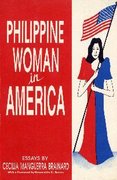
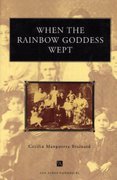
Cecilia Manguerra Brainard's official website is ceciliabrainarddotcom. She is the award-winning author and editor of 22 books, including When the Rainbow Goddess Wept, The Newspaper Widow, Magdalena, Selected Stories, Vigan and Other Stories, and more. She edited Growing Up Filipino 1, 2, & 3, Fiction by Filipinos in America, Contemporary Fiction by Filipinos in America, and other books..
Her work has been translated into Finnish and Turkish; and many of her stories and articles have been widely anthologized.
Cecilia has received many awards, including a California Arts Council Fellowship in Fiction, a Brody Arts Fund Award, a Special Recognition Award for her work dealing with Asian American youths, as well as a Certificate of Recognition from the California State Senate, 21st District, and the Outstanding Individual Award from her birth city, Cebu, Philippines.
She has lectured and performed at UCLA, USC, University of Connecticut, University of the Philippines, PEN, Shakespeare & Company in Paris, and many others. She has served in the Board of literary arts groups such as PEN, PAWWA (Pacific Asian American Writers West), among others.
Cecilia Manguerra Brainard's official website is ceciliabrainarddotcom. She is the award-winning author and editor of 22 books, including When the Rainbow Goddess Wept, The Newspaper Widow, Magdalena, Selected Stories, Vigan and Other Stories, and more. She edited Growing Up Filipino 1, 2, & 3, Fiction by Filipinos in America, Contemporary Fiction by Filipinos in America, and other books..
Her work has been translated into Finnish and Turkish; and many of her stories and articles have been widely anthologized.
Cecilia has received many awards, including a California Arts Council Fellowship in Fiction, a Brody Arts Fund Award, a Special Recognition Award for her work dealing with Asian American youths, as well as a Certificate of Recognition from the California State Senate, 21st District, and the Outstanding Individual Award from her birth city, Cebu, Philippines.
She has lectured and performed at UCLA, USC, University of Connecticut, University of the Philippines, PEN, Shakespeare & Company in Paris, and many others. She has served in the Board of literary arts groups such as PEN, PAWWA (Pacific Asian American Writers West), among others.

 Cecilia Manguerra Brainard's official website is ceciliabrainarddotcom. She is the award-winning author and editor of 22 books, including When the Rainbow Goddess Wept, The Newspaper Widow, Magdalena, Selected Stories, Vigan and Other Stories, and more. She edited Growing Up Filipino 1, 2, & 3, Fiction by Filipinos in America, Contemporary Fiction by Filipinos in America, and other books..
Her work has been translated into Finnish and Turkish; and many of her stories and articles have been widely anthologized.
Cecilia has received many awards, including a California Arts Council Fellowship in Fiction, a Brody Arts Fund Award, a Special Recognition Award for her work dealing with Asian American youths, as well as a Certificate of Recognition from the California State Senate, 21st District, and the Outstanding Individual Award from her birth city, Cebu, Philippines.
She has lectured and performed at UCLA, USC, University of Connecticut, University of the Philippines, PEN, Shakespeare & Company in Paris, and many others. She has served in the Board of literary arts groups such as PEN, PAWWA (Pacific Asian American Writers West), among others.
Cecilia Manguerra Brainard's official website is ceciliabrainarddotcom. She is the award-winning author and editor of 22 books, including When the Rainbow Goddess Wept, The Newspaper Widow, Magdalena, Selected Stories, Vigan and Other Stories, and more. She edited Growing Up Filipino 1, 2, & 3, Fiction by Filipinos in America, Contemporary Fiction by Filipinos in America, and other books..
Her work has been translated into Finnish and Turkish; and many of her stories and articles have been widely anthologized.
Cecilia has received many awards, including a California Arts Council Fellowship in Fiction, a Brody Arts Fund Award, a Special Recognition Award for her work dealing with Asian American youths, as well as a Certificate of Recognition from the California State Senate, 21st District, and the Outstanding Individual Award from her birth city, Cebu, Philippines.
She has lectured and performed at UCLA, USC, University of Connecticut, University of the Philippines, PEN, Shakespeare & Company in Paris, and many others. She has served in the Board of literary arts groups such as PEN, PAWWA (Pacific Asian American Writers West), among others.
 Cecilia Manguerra Brainard's official website is ceciliabrainarddotcom. She is the award-winning author and editor of 22 books, including When the Rainbow Goddess Wept, The Newspaper Widow, Magdalena, Selected Stories, Vigan and Other Stories, and more. She edited Growing Up Filipino 1, 2, & 3, Fiction by Filipinos in America, Contemporary Fiction by Filipinos in America, and other books..
Her work has been translated into Finnish and Turkish; and many of her stories and articles have been widely anthologized.
Cecilia has received many awards, including a California Arts Council Fellowship in Fiction, a Brody Arts Fund Award, a Special Recognition Award for her work dealing with Asian American youths, as well as a Certificate of Recognition from the California State Senate, 21st District, and the Outstanding Individual Award from her birth city, Cebu, Philippines.
She has lectured and performed at UCLA, USC, University of Connecticut, University of the Philippines, PEN, Shakespeare & Company in Paris, and many others. She has served in the Board of literary arts groups such as PEN, PAWWA (Pacific Asian American Writers West), among others.
Cecilia Manguerra Brainard's official website is ceciliabrainarddotcom. She is the award-winning author and editor of 22 books, including When the Rainbow Goddess Wept, The Newspaper Widow, Magdalena, Selected Stories, Vigan and Other Stories, and more. She edited Growing Up Filipino 1, 2, & 3, Fiction by Filipinos in America, Contemporary Fiction by Filipinos in America, and other books..
Her work has been translated into Finnish and Turkish; and many of her stories and articles have been widely anthologized.
Cecilia has received many awards, including a California Arts Council Fellowship in Fiction, a Brody Arts Fund Award, a Special Recognition Award for her work dealing with Asian American youths, as well as a Certificate of Recognition from the California State Senate, 21st District, and the Outstanding Individual Award from her birth city, Cebu, Philippines.
She has lectured and performed at UCLA, USC, University of Connecticut, University of the Philippines, PEN, Shakespeare & Company in Paris, and many others. She has served in the Board of literary arts groups such as PEN, PAWWA (Pacific Asian American Writers West), among others.


 Cecilia Manguerra Brainard's official website is ceciliabrainarddotcom. She is the award-winning author and editor of 22 books, including When the Rainbow Goddess Wept, The Newspaper Widow, Magdalena, Selected Stories, Vigan and Other Stories, and more. She edited Growing Up Filipino 1, 2, & 3, Fiction by Filipinos in America, Contemporary Fiction by Filipinos in America, and other books..
Her work has been translated into Finnish and Turkish; and many of her stories and articles have been widely anthologized.
Cecilia has received many awards, including a California Arts Council Fellowship in Fiction, a Brody Arts Fund Award, a Special Recognition Award for her work dealing with Asian American youths, as well as a Certificate of Recognition from the California State Senate, 21st District, and the Outstanding Individual Award from her birth city, Cebu, Philippines.
She has lectured and performed at UCLA, USC, University of Connecticut, University of the Philippines, PEN, Shakespeare & Company in Paris, and many others. She has served in the Board of literary arts groups such as PEN, PAWWA (Pacific Asian American Writers West), among others.
Cecilia Manguerra Brainard's official website is ceciliabrainarddotcom. She is the award-winning author and editor of 22 books, including When the Rainbow Goddess Wept, The Newspaper Widow, Magdalena, Selected Stories, Vigan and Other Stories, and more. She edited Growing Up Filipino 1, 2, & 3, Fiction by Filipinos in America, Contemporary Fiction by Filipinos in America, and other books..
Her work has been translated into Finnish and Turkish; and many of her stories and articles have been widely anthologized.
Cecilia has received many awards, including a California Arts Council Fellowship in Fiction, a Brody Arts Fund Award, a Special Recognition Award for her work dealing with Asian American youths, as well as a Certificate of Recognition from the California State Senate, 21st District, and the Outstanding Individual Award from her birth city, Cebu, Philippines.
She has lectured and performed at UCLA, USC, University of Connecticut, University of the Philippines, PEN, Shakespeare & Company in Paris, and many others. She has served in the Board of literary arts groups such as PEN, PAWWA (Pacific Asian American Writers West), among others.
Cecilia Manguerra Brainard's official website is ceciliabrainarddotcom. She is the award-winning author and editor of 22 books, including When the Rainbow Goddess Wept, The Newspaper Widow, Magdalena, Selected Stories, Vigan and Other Stories, and more. She edited Growing Up Filipino 1, 2, & 3, Fiction by Filipinos in America, Contemporary Fiction by Filipinos in America, and other books..
Her work has been translated into Finnish and Turkish; and many of her stories and articles have been widely anthologized.
Cecilia has received many awards, including a California Arts Council Fellowship in Fiction, a Brody Arts Fund Award, a Special Recognition Award for her work dealing with Asian American youths, as well as a Certificate of Recognition from the California State Senate, 21st District, and the Outstanding Individual Award from her birth city, Cebu, Philippines.
She has lectured and performed at UCLA, USC, University of Connecticut, University of the Philippines, PEN, Shakespeare & Company in Paris, and many others. She has served in the Board of literary arts groups such as PEN, PAWWA (Pacific Asian American Writers West), among others.
Cecilia Manguerra Brainard's official website is ceciliabrainarddotcom. She is the award-winning author and editor of 22 books, including When the Rainbow Goddess Wept, The Newspaper Widow, Magdalena, Selected Stories, Vigan and Other Stories, and more. She edited Growing Up Filipino 1, 2, & 3, Fiction by Filipinos in America, Contemporary Fiction by Filipinos in America, and other books..
Her work has been translated into Finnish and Turkish; and many of her stories and articles have been widely anthologized.
Cecilia has received many awards, including a California Arts Council Fellowship in Fiction, a Brody Arts Fund Award, a Special Recognition Award for her work dealing with Asian American youths, as well as a Certificate of Recognition from the California State Senate, 21st District, and the Outstanding Individual Award from her birth city, Cebu, Philippines.
She has lectured and performed at UCLA, USC, University of Connecticut, University of the Philippines, PEN, Shakespeare & Company in Paris, and many others. She has served in the Board of literary arts groups such as PEN, PAWWA (Pacific Asian American Writers West), among others.
Cecilia Manguerra Brainard's official website is ceciliabrainarddotcom. She is the award-winning author and editor of 22 books, including When the Rainbow Goddess Wept, The Newspaper Widow, Magdalena, Selected Stories, Vigan and Other Stories, and more. She edited Growing Up Filipino 1, 2, & 3, Fiction by Filipinos in America, Contemporary Fiction by Filipinos in America, and other books..
Her work has been translated into Finnish and Turkish; and many of her stories and articles have been widely anthologized.
Cecilia has received many awards, including a California Arts Council Fellowship in Fiction, a Brody Arts Fund Award, a Special Recognition Award for her work dealing with Asian American youths, as well as a Certificate of Recognition from the California State Senate, 21st District, and the Outstanding Individual Award from her birth city, Cebu, Philippines.
She has lectured and performed at UCLA, USC, University of Connecticut, University of the Philippines, PEN, Shakespeare & Company in Paris, and many others. She has served in the Board of literary arts groups such as PEN, PAWWA (Pacific Asian American Writers West), among others.
Cecilia Manguerra Brainard's official website is ceciliabrainarddotcom. She is the award-winning author and editor of 22 books, including When the Rainbow Goddess Wept, The Newspaper Widow, Magdalena, Selected Stories, Vigan and Other Stories, and more. She edited Growing Up Filipino 1, 2, & 3, Fiction by Filipinos in America, Contemporary Fiction by Filipinos in America, and other books..
Her work has been translated into Finnish and Turkish; and many of her stories and articles have been widely anthologized.
Cecilia has received many awards, including a California Arts Council Fellowship in Fiction, a Brody Arts Fund Award, a Special Recognition Award for her work dealing with Asian American youths, as well as a Certificate of Recognition from the California State Senate, 21st District, and the Outstanding Individual Award from her birth city, Cebu, Philippines.
She has lectured and performed at UCLA, USC, University of Connecticut, University of the Philippines, PEN, Shakespeare & Company in Paris, and many others. She has served in the Board of literary arts groups such as PEN, PAWWA (Pacific Asian American Writers West), among others.


 Cecilia Manguerra Brainard's official website is ceciliabrainarddotcom. She is the award-winning author and editor of 22 books, including When the Rainbow Goddess Wept, The Newspaper Widow, Magdalena, Selected Stories, Vigan and Other Stories, and more. She edited Growing Up Filipino 1, 2, & 3, Fiction by Filipinos in America, Contemporary Fiction by Filipinos in America, and other books..
Her work has been translated into Finnish and Turkish; and many of her stories and articles have been widely anthologized.
Cecilia has received many awards, including a California Arts Council Fellowship in Fiction, a Brody Arts Fund Award, a Special Recognition Award for her work dealing with Asian American youths, as well as a Certificate of Recognition from the California State Senate, 21st District, and the Outstanding Individual Award from her birth city, Cebu, Philippines.
She has lectured and performed at UCLA, USC, University of Connecticut, University of the Philippines, PEN, Shakespeare & Company in Paris, and many others. She has served in the Board of literary arts groups such as PEN, PAWWA (Pacific Asian American Writers West), among others.
Cecilia Manguerra Brainard's official website is ceciliabrainarddotcom. She is the award-winning author and editor of 22 books, including When the Rainbow Goddess Wept, The Newspaper Widow, Magdalena, Selected Stories, Vigan and Other Stories, and more. She edited Growing Up Filipino 1, 2, & 3, Fiction by Filipinos in America, Contemporary Fiction by Filipinos in America, and other books..
Her work has been translated into Finnish and Turkish; and many of her stories and articles have been widely anthologized.
Cecilia has received many awards, including a California Arts Council Fellowship in Fiction, a Brody Arts Fund Award, a Special Recognition Award for her work dealing with Asian American youths, as well as a Certificate of Recognition from the California State Senate, 21st District, and the Outstanding Individual Award from her birth city, Cebu, Philippines.
She has lectured and performed at UCLA, USC, University of Connecticut, University of the Philippines, PEN, Shakespeare & Company in Paris, and many others. She has served in the Board of literary arts groups such as PEN, PAWWA (Pacific Asian American Writers West), among others.
Cecilia Manguerra Brainard's official website is ceciliabrainarddotcom. She is the award-winning author and editor of 22 books, including When the Rainbow Goddess Wept, The Newspaper Widow, Magdalena, Selected Stories, Vigan and Other Stories, and more. She edited Growing Up Filipino 1, 2, & 3, Fiction by Filipinos in America, Contemporary Fiction by Filipinos in America, and other books..
Her work has been translated into Finnish and Turkish; and many of her stories and articles have been widely anthologized.
Cecilia has received many awards, including a California Arts Council Fellowship in Fiction, a Brody Arts Fund Award, a Special Recognition Award for her work dealing with Asian American youths, as well as a Certificate of Recognition from the California State Senate, 21st District, and the Outstanding Individual Award from her birth city, Cebu, Philippines.
She has lectured and performed at UCLA, USC, University of Connecticut, University of the Philippines, PEN, Shakespeare & Company in Paris, and many others. She has served in the Board of literary arts groups such as PEN, PAWWA (Pacific Asian American Writers West), among others.
Cecilia Manguerra Brainard's official website is ceciliabrainarddotcom. She is the award-winning author and editor of 22 books, including When the Rainbow Goddess Wept, The Newspaper Widow, Magdalena, Selected Stories, Vigan and Other Stories, and more. She edited Growing Up Filipino 1, 2, & 3, Fiction by Filipinos in America, Contemporary Fiction by Filipinos in America, and other books..
Her work has been translated into Finnish and Turkish; and many of her stories and articles have been widely anthologized.
Cecilia has received many awards, including a California Arts Council Fellowship in Fiction, a Brody Arts Fund Award, a Special Recognition Award for her work dealing with Asian American youths, as well as a Certificate of Recognition from the California State Senate, 21st District, and the Outstanding Individual Award from her birth city, Cebu, Philippines.
She has lectured and performed at UCLA, USC, University of Connecticut, University of the Philippines, PEN, Shakespeare & Company in Paris, and many others. She has served in the Board of literary arts groups such as PEN, PAWWA (Pacific Asian American Writers West), among others.
 Cecilia Manguerra Brainard's official website is ceciliabrainarddotcom. She is the award-winning author and editor of 22 books, including When the Rainbow Goddess Wept, The Newspaper Widow, Magdalena, Selected Stories, Vigan and Other Stories, and more. She edited Growing Up Filipino 1, 2, & 3, Fiction by Filipinos in America, Contemporary Fiction by Filipinos in America, and other books..
Her work has been translated into Finnish and Turkish; and many of her stories and articles have been widely anthologized.
Cecilia has received many awards, including a California Arts Council Fellowship in Fiction, a Brody Arts Fund Award, a Special Recognition Award for her work dealing with Asian American youths, as well as a Certificate of Recognition from the California State Senate, 21st District, and the Outstanding Individual Award from her birth city, Cebu, Philippines.
She has lectured and performed at UCLA, USC, University of Connecticut, University of the Philippines, PEN, Shakespeare & Company in Paris, and many others. She has served in the Board of literary arts groups such as PEN, PAWWA (Pacific Asian American Writers West), among others.
Cecilia Manguerra Brainard's official website is ceciliabrainarddotcom. She is the award-winning author and editor of 22 books, including When the Rainbow Goddess Wept, The Newspaper Widow, Magdalena, Selected Stories, Vigan and Other Stories, and more. She edited Growing Up Filipino 1, 2, & 3, Fiction by Filipinos in America, Contemporary Fiction by Filipinos in America, and other books..
Her work has been translated into Finnish and Turkish; and many of her stories and articles have been widely anthologized.
Cecilia has received many awards, including a California Arts Council Fellowship in Fiction, a Brody Arts Fund Award, a Special Recognition Award for her work dealing with Asian American youths, as well as a Certificate of Recognition from the California State Senate, 21st District, and the Outstanding Individual Award from her birth city, Cebu, Philippines.
She has lectured and performed at UCLA, USC, University of Connecticut, University of the Philippines, PEN, Shakespeare & Company in Paris, and many others. She has served in the Board of literary arts groups such as PEN, PAWWA (Pacific Asian American Writers West), among others.
Cecilia Manguerra Brainard's official website is ceciliabrainarddotcom. She is the award-winning author and editor of 22 books, including When the Rainbow Goddess Wept, The Newspaper Widow, Magdalena, Selected Stories, Vigan and Other Stories, and more. She edited Growing Up Filipino 1, 2, & 3, Fiction by Filipinos in America, Contemporary Fiction by Filipinos in America, and other books..
Her work has been translated into Finnish and Turkish; and many of her stories and articles have been widely anthologized.
Cecilia has received many awards, including a California Arts Council Fellowship in Fiction, a Brody Arts Fund Award, a Special Recognition Award for her work dealing with Asian American youths, as well as a Certificate of Recognition from the California State Senate, 21st District, and the Outstanding Individual Award from her birth city, Cebu, Philippines.
She has lectured and performed at UCLA, USC, University of Connecticut, University of the Philippines, PEN, Shakespeare & Company in Paris, and many others. She has served in the Board of literary arts groups such as PEN, PAWWA (Pacific Asian American Writers West), among others.
Cecilia Manguerra Brainard's official website is ceciliabrainarddotcom. She is the award-winning author and editor of 22 books, including When the Rainbow Goddess Wept, The Newspaper Widow, Magdalena, Selected Stories, Vigan and Other Stories, and more. She edited Growing Up Filipino 1, 2, & 3, Fiction by Filipinos in America, Contemporary Fiction by Filipinos in America, and other books..
Her work has been translated into Finnish and Turkish; and many of her stories and articles have been widely anthologized.
Cecilia has received many awards, including a California Arts Council Fellowship in Fiction, a Brody Arts Fund Award, a Special Recognition Award for her work dealing with Asian American youths, as well as a Certificate of Recognition from the California State Senate, 21st District, and the Outstanding Individual Award from her birth city, Cebu, Philippines.
She has lectured and performed at UCLA, USC, University of Connecticut, University of the Philippines, PEN, Shakespeare & Company in Paris, and many others. She has served in the Board of literary arts groups such as PEN, PAWWA (Pacific Asian American Writers West), among others.


 Cecilia Manguerra Brainard's official website is ceciliabrainarddotcom. She is the award-winning author and editor of 22 books, including When the Rainbow Goddess Wept, The Newspaper Widow, Magdalena, Selected Stories, Vigan and Other Stories, and more. She edited Growing Up Filipino 1, 2, & 3, Fiction by Filipinos in America, Contemporary Fiction by Filipinos in America, and other books..
Her work has been translated into Finnish and Turkish; and many of her stories and articles have been widely anthologized.
Cecilia has received many awards, including a California Arts Council Fellowship in Fiction, a Brody Arts Fund Award, a Special Recognition Award for her work dealing with Asian American youths, as well as a Certificate of Recognition from the California State Senate, 21st District, and the Outstanding Individual Award from her birth city, Cebu, Philippines.
She has lectured and performed at UCLA, USC, University of Connecticut, University of the Philippines, PEN, Shakespeare & Company in Paris, and many others. She has served in the Board of literary arts groups such as PEN, PAWWA (Pacific Asian American Writers West), among others.
Cecilia Manguerra Brainard's official website is ceciliabrainarddotcom. She is the award-winning author and editor of 22 books, including When the Rainbow Goddess Wept, The Newspaper Widow, Magdalena, Selected Stories, Vigan and Other Stories, and more. She edited Growing Up Filipino 1, 2, & 3, Fiction by Filipinos in America, Contemporary Fiction by Filipinos in America, and other books..
Her work has been translated into Finnish and Turkish; and many of her stories and articles have been widely anthologized.
Cecilia has received many awards, including a California Arts Council Fellowship in Fiction, a Brody Arts Fund Award, a Special Recognition Award for her work dealing with Asian American youths, as well as a Certificate of Recognition from the California State Senate, 21st District, and the Outstanding Individual Award from her birth city, Cebu, Philippines.
She has lectured and performed at UCLA, USC, University of Connecticut, University of the Philippines, PEN, Shakespeare & Company in Paris, and many others. She has served in the Board of literary arts groups such as PEN, PAWWA (Pacific Asian American Writers West), among others.
Cecilia Manguerra Brainard's official website is ceciliabrainarddotcom. She is the award-winning author and editor of 22 books, including When the Rainbow Goddess Wept, The Newspaper Widow, Magdalena, Selected Stories, Vigan and Other Stories, and more. She edited Growing Up Filipino 1, 2, & 3, Fiction by Filipinos in America, Contemporary Fiction by Filipinos in America, and other books..
Her work has been translated into Finnish and Turkish; and many of her stories and articles have been widely anthologized.
Cecilia has received many awards, including a California Arts Council Fellowship in Fiction, a Brody Arts Fund Award, a Special Recognition Award for her work dealing with Asian American youths, as well as a Certificate of Recognition from the California State Senate, 21st District, and the Outstanding Individual Award from her birth city, Cebu, Philippines.
She has lectured and performed at UCLA, USC, University of Connecticut, University of the Philippines, PEN, Shakespeare & Company in Paris, and many others. She has served in the Board of literary arts groups such as PEN, PAWWA (Pacific Asian American Writers West), among others.
Cecilia Manguerra Brainard's official website is ceciliabrainarddotcom. She is the award-winning author and editor of 22 books, including When the Rainbow Goddess Wept, The Newspaper Widow, Magdalena, Selected Stories, Vigan and Other Stories, and more. She edited Growing Up Filipino 1, 2, & 3, Fiction by Filipinos in America, Contemporary Fiction by Filipinos in America, and other books..
Her work has been translated into Finnish and Turkish; and many of her stories and articles have been widely anthologized.
Cecilia has received many awards, including a California Arts Council Fellowship in Fiction, a Brody Arts Fund Award, a Special Recognition Award for her work dealing with Asian American youths, as well as a Certificate of Recognition from the California State Senate, 21st District, and the Outstanding Individual Award from her birth city, Cebu, Philippines.
She has lectured and performed at UCLA, USC, University of Connecticut, University of the Philippines, PEN, Shakespeare & Company in Paris, and many others. She has served in the Board of literary arts groups such as PEN, PAWWA (Pacific Asian American Writers West), among others.
Cecilia Manguerra Brainard's official website is ceciliabrainarddotcom. She is the award-winning author and editor of 22 books, including When the Rainbow Goddess Wept, The Newspaper Widow, Magdalena, Selected Stories, Vigan and Other Stories, and more. She edited Growing Up Filipino 1, 2, & 3, Fiction by Filipinos in America, Contemporary Fiction by Filipinos in America, and other books..
Her work has been translated into Finnish and Turkish; and many of her stories and articles have been widely anthologized.
Cecilia has received many awards, including a California Arts Council Fellowship in Fiction, a Brody Arts Fund Award, a Special Recognition Award for her work dealing with Asian American youths, as well as a Certificate of Recognition from the California State Senate, 21st District, and the Outstanding Individual Award from her birth city, Cebu, Philippines.
She has lectured and performed at UCLA, USC, University of Connecticut, University of the Philippines, PEN, Shakespeare & Company in Paris, and many others. She has served in the Board of literary arts groups such as PEN, PAWWA (Pacific Asian American Writers West), among others.
Cecilia Manguerra Brainard's official website is ceciliabrainarddotcom. She is the award-winning author and editor of 22 books, including When the Rainbow Goddess Wept, The Newspaper Widow, Magdalena, Selected Stories, Vigan and Other Stories, and more. She edited Growing Up Filipino 1, 2, & 3, Fiction by Filipinos in America, Contemporary Fiction by Filipinos in America, and other books..
Her work has been translated into Finnish and Turkish; and many of her stories and articles have been widely anthologized.
Cecilia has received many awards, including a California Arts Council Fellowship in Fiction, a Brody Arts Fund Award, a Special Recognition Award for her work dealing with Asian American youths, as well as a Certificate of Recognition from the California State Senate, 21st District, and the Outstanding Individual Award from her birth city, Cebu, Philippines.
She has lectured and performed at UCLA, USC, University of Connecticut, University of the Philippines, PEN, Shakespeare & Company in Paris, and many others. She has served in the Board of literary arts groups such as PEN, PAWWA (Pacific Asian American Writers West), among others.
 Cecilia Manguerra Brainard's official website is ceciliabrainarddotcom. She is the award-winning author and editor of 22 books, including When the Rainbow Goddess Wept, The Newspaper Widow, Magdalena, Selected Stories, Vigan and Other Stories, and more. She edited Growing Up Filipino 1, 2, & 3, Fiction by Filipinos in America, Contemporary Fiction by Filipinos in America, and other books..
Her work has been translated into Finnish and Turkish; and many of her stories and articles have been widely anthologized.
Cecilia has received many awards, including a California Arts Council Fellowship in Fiction, a Brody Arts Fund Award, a Special Recognition Award for her work dealing with Asian American youths, as well as a Certificate of Recognition from the California State Senate, 21st District, and the Outstanding Individual Award from her birth city, Cebu, Philippines.
She has lectured and performed at UCLA, USC, University of Connecticut, University of the Philippines, PEN, Shakespeare & Company in Paris, and many others. She has served in the Board of literary arts groups such as PEN, PAWWA (Pacific Asian American Writers West), among others.
Cecilia Manguerra Brainard's official website is ceciliabrainarddotcom. She is the award-winning author and editor of 22 books, including When the Rainbow Goddess Wept, The Newspaper Widow, Magdalena, Selected Stories, Vigan and Other Stories, and more. She edited Growing Up Filipino 1, 2, & 3, Fiction by Filipinos in America, Contemporary Fiction by Filipinos in America, and other books..
Her work has been translated into Finnish and Turkish; and many of her stories and articles have been widely anthologized.
Cecilia has received many awards, including a California Arts Council Fellowship in Fiction, a Brody Arts Fund Award, a Special Recognition Award for her work dealing with Asian American youths, as well as a Certificate of Recognition from the California State Senate, 21st District, and the Outstanding Individual Award from her birth city, Cebu, Philippines.
She has lectured and performed at UCLA, USC, University of Connecticut, University of the Philippines, PEN, Shakespeare & Company in Paris, and many others. She has served in the Board of literary arts groups such as PEN, PAWWA (Pacific Asian American Writers West), among others.


 Cecilia Manguerra Brainard's official website is ceciliabrainarddotcom. She is the award-winning author and editor of 22 books, including When the Rainbow Goddess Wept, The Newspaper Widow, Magdalena, Selected Stories, Vigan and Other Stories, and more. She edited Growing Up Filipino 1, 2, & 3, Fiction by Filipinos in America, Contemporary Fiction by Filipinos in America, and other books..
Her work has been translated into Finnish and Turkish; and many of her stories and articles have been widely anthologized.
Cecilia has received many awards, including a California Arts Council Fellowship in Fiction, a Brody Arts Fund Award, a Special Recognition Award for her work dealing with Asian American youths, as well as a Certificate of Recognition from the California State Senate, 21st District, and the Outstanding Individual Award from her birth city, Cebu, Philippines.
She has lectured and performed at UCLA, USC, University of Connecticut, University of the Philippines, PEN, Shakespeare & Company in Paris, and many others. She has served in the Board of literary arts groups such as PEN, PAWWA (Pacific Asian American Writers West), among others.
Cecilia Manguerra Brainard's official website is ceciliabrainarddotcom. She is the award-winning author and editor of 22 books, including When the Rainbow Goddess Wept, The Newspaper Widow, Magdalena, Selected Stories, Vigan and Other Stories, and more. She edited Growing Up Filipino 1, 2, & 3, Fiction by Filipinos in America, Contemporary Fiction by Filipinos in America, and other books..
Her work has been translated into Finnish and Turkish; and many of her stories and articles have been widely anthologized.
Cecilia has received many awards, including a California Arts Council Fellowship in Fiction, a Brody Arts Fund Award, a Special Recognition Award for her work dealing with Asian American youths, as well as a Certificate of Recognition from the California State Senate, 21st District, and the Outstanding Individual Award from her birth city, Cebu, Philippines.
She has lectured and performed at UCLA, USC, University of Connecticut, University of the Philippines, PEN, Shakespeare & Company in Paris, and many others. She has served in the Board of literary arts groups such as PEN, PAWWA (Pacific Asian American Writers West), among others.


 Cecilia Manguerra Brainard's official website is ceciliabrainarddotcom. She is the award-winning author and editor of 22 books, including When the Rainbow Goddess Wept, The Newspaper Widow, Magdalena, Selected Stories, Vigan and Other Stories, and more. She edited Growing Up Filipino 1, 2, & 3, Fiction by Filipinos in America, Contemporary Fiction by Filipinos in America, and other books..
Her work has been translated into Finnish and Turkish; and many of her stories and articles have been widely anthologized.
Cecilia has received many awards, including a California Arts Council Fellowship in Fiction, a Brody Arts Fund Award, a Special Recognition Award for her work dealing with Asian American youths, as well as a Certificate of Recognition from the California State Senate, 21st District, and the Outstanding Individual Award from her birth city, Cebu, Philippines.
She has lectured and performed at UCLA, USC, University of Connecticut, University of the Philippines, PEN, Shakespeare & Company in Paris, and many others. She has served in the Board of literary arts groups such as PEN, PAWWA (Pacific Asian American Writers West), among others.
Cecilia Manguerra Brainard's official website is ceciliabrainarddotcom. She is the award-winning author and editor of 22 books, including When the Rainbow Goddess Wept, The Newspaper Widow, Magdalena, Selected Stories, Vigan and Other Stories, and more. She edited Growing Up Filipino 1, 2, & 3, Fiction by Filipinos in America, Contemporary Fiction by Filipinos in America, and other books..
Her work has been translated into Finnish and Turkish; and many of her stories and articles have been widely anthologized.
Cecilia has received many awards, including a California Arts Council Fellowship in Fiction, a Brody Arts Fund Award, a Special Recognition Award for her work dealing with Asian American youths, as well as a Certificate of Recognition from the California State Senate, 21st District, and the Outstanding Individual Award from her birth city, Cebu, Philippines.
She has lectured and performed at UCLA, USC, University of Connecticut, University of the Philippines, PEN, Shakespeare & Company in Paris, and many others. She has served in the Board of literary arts groups such as PEN, PAWWA (Pacific Asian American Writers West), among others.
 Cecilia Manguerra Brainard's official website is ceciliabrainarddotcom. She is the award-winning author and editor of 22 books, including When the Rainbow Goddess Wept, The Newspaper Widow, Magdalena, Selected Stories, Vigan and Other Stories, and more. She edited Growing Up Filipino 1, 2, & 3, Fiction by Filipinos in America, Contemporary Fiction by Filipinos in America, and other books..
Her work has been translated into Finnish and Turkish; and many of her stories and articles have been widely anthologized.
Cecilia has received many awards, including a California Arts Council Fellowship in Fiction, a Brody Arts Fund Award, a Special Recognition Award for her work dealing with Asian American youths, as well as a Certificate of Recognition from the California State Senate, 21st District, and the Outstanding Individual Award from her birth city, Cebu, Philippines.
She has lectured and performed at UCLA, USC, University of Connecticut, University of the Philippines, PEN, Shakespeare & Company in Paris, and many others. She has served in the Board of literary arts groups such as PEN, PAWWA (Pacific Asian American Writers West), among others.
Cecilia Manguerra Brainard's official website is ceciliabrainarddotcom. She is the award-winning author and editor of 22 books, including When the Rainbow Goddess Wept, The Newspaper Widow, Magdalena, Selected Stories, Vigan and Other Stories, and more. She edited Growing Up Filipino 1, 2, & 3, Fiction by Filipinos in America, Contemporary Fiction by Filipinos in America, and other books..
Her work has been translated into Finnish and Turkish; and many of her stories and articles have been widely anthologized.
Cecilia has received many awards, including a California Arts Council Fellowship in Fiction, a Brody Arts Fund Award, a Special Recognition Award for her work dealing with Asian American youths, as well as a Certificate of Recognition from the California State Senate, 21st District, and the Outstanding Individual Award from her birth city, Cebu, Philippines.
She has lectured and performed at UCLA, USC, University of Connecticut, University of the Philippines, PEN, Shakespeare & Company in Paris, and many others. She has served in the Board of literary arts groups such as PEN, PAWWA (Pacific Asian American Writers West), among others.

 Cecilia Manguerra Brainard's official website is ceciliabrainarddotcom. She is the award-winning author and editor of 22 books, including When the Rainbow Goddess Wept, The Newspaper Widow, Magdalena, Selected Stories, Vigan and Other Stories, and more. She edited Growing Up Filipino 1, 2, & 3, Fiction by Filipinos in America, Contemporary Fiction by Filipinos in America, and other books..
Her work has been translated into Finnish and Turkish; and many of her stories and articles have been widely anthologized.
Cecilia has received many awards, including a California Arts Council Fellowship in Fiction, a Brody Arts Fund Award, a Special Recognition Award for her work dealing with Asian American youths, as well as a Certificate of Recognition from the California State Senate, 21st District, and the Outstanding Individual Award from her birth city, Cebu, Philippines.
She has lectured and performed at UCLA, USC, University of Connecticut, University of the Philippines, PEN, Shakespeare & Company in Paris, and many others. She has served in the Board of literary arts groups such as PEN, PAWWA (Pacific Asian American Writers West), among others.
Cecilia Manguerra Brainard's official website is ceciliabrainarddotcom. She is the award-winning author and editor of 22 books, including When the Rainbow Goddess Wept, The Newspaper Widow, Magdalena, Selected Stories, Vigan and Other Stories, and more. She edited Growing Up Filipino 1, 2, & 3, Fiction by Filipinos in America, Contemporary Fiction by Filipinos in America, and other books..
Her work has been translated into Finnish and Turkish; and many of her stories and articles have been widely anthologized.
Cecilia has received many awards, including a California Arts Council Fellowship in Fiction, a Brody Arts Fund Award, a Special Recognition Award for her work dealing with Asian American youths, as well as a Certificate of Recognition from the California State Senate, 21st District, and the Outstanding Individual Award from her birth city, Cebu, Philippines.
She has lectured and performed at UCLA, USC, University of Connecticut, University of the Philippines, PEN, Shakespeare & Company in Paris, and many others. She has served in the Board of literary arts groups such as PEN, PAWWA (Pacific Asian American Writers West), among others.
Cecilia Manguerra Brainard's official website is ceciliabrainarddotcom. She is the award-winning author and editor of 22 books, including When the Rainbow Goddess Wept, The Newspaper Widow, Magdalena, Selected Stories, Vigan and Other Stories, and more. She edited Growing Up Filipino 1, 2, & 3, Fiction by Filipinos in America, Contemporary Fiction by Filipinos in America, and other books..
Her work has been translated into Finnish and Turkish; and many of her stories and articles have been widely anthologized.
Cecilia has received many awards, including a California Arts Council Fellowship in Fiction, a Brody Arts Fund Award, a Special Recognition Award for her work dealing with Asian American youths, as well as a Certificate of Recognition from the California State Senate, 21st District, and the Outstanding Individual Award from her birth city, Cebu, Philippines.
She has lectured and performed at UCLA, USC, University of Connecticut, University of the Philippines, PEN, Shakespeare & Company in Paris, and many others. She has served in the Board of literary arts groups such as PEN, PAWWA (Pacific Asian American Writers West), among others.
Cecilia Manguerra Brainard's official website is ceciliabrainarddotcom. She is the award-winning author and editor of 22 books, including When the Rainbow Goddess Wept, The Newspaper Widow, Magdalena, Selected Stories, Vigan and Other Stories, and more. She edited Growing Up Filipino 1, 2, & 3, Fiction by Filipinos in America, Contemporary Fiction by Filipinos in America, and other books..
Her work has been translated into Finnish and Turkish; and many of her stories and articles have been widely anthologized.
Cecilia has received many awards, including a California Arts Council Fellowship in Fiction, a Brody Arts Fund Award, a Special Recognition Award for her work dealing with Asian American youths, as well as a Certificate of Recognition from the California State Senate, 21st District, and the Outstanding Individual Award from her birth city, Cebu, Philippines.
She has lectured and performed at UCLA, USC, University of Connecticut, University of the Philippines, PEN, Shakespeare & Company in Paris, and many others. She has served in the Board of literary arts groups such as PEN, PAWWA (Pacific Asian American Writers West), among others.


 Cecilia Manguerra Brainard's official website is ceciliabrainarddotcom. She is the award-winning author and editor of 22 books, including When the Rainbow Goddess Wept, The Newspaper Widow, Magdalena, Selected Stories, Vigan and Other Stories, and more. She edited Growing Up Filipino 1, 2, & 3, Fiction by Filipinos in America, Contemporary Fiction by Filipinos in America, and other books..
Her work has been translated into Finnish and Turkish; and many of her stories and articles have been widely anthologized.
Cecilia has received many awards, including a California Arts Council Fellowship in Fiction, a Brody Arts Fund Award, a Special Recognition Award for her work dealing with Asian American youths, as well as a Certificate of Recognition from the California State Senate, 21st District, and the Outstanding Individual Award from her birth city, Cebu, Philippines.
She has lectured and performed at UCLA, USC, University of Connecticut, University of the Philippines, PEN, Shakespeare & Company in Paris, and many others. She has served in the Board of literary arts groups such as PEN, PAWWA (Pacific Asian American Writers West), among others.
Cecilia Manguerra Brainard's official website is ceciliabrainarddotcom. She is the award-winning author and editor of 22 books, including When the Rainbow Goddess Wept, The Newspaper Widow, Magdalena, Selected Stories, Vigan and Other Stories, and more. She edited Growing Up Filipino 1, 2, & 3, Fiction by Filipinos in America, Contemporary Fiction by Filipinos in America, and other books..
Her work has been translated into Finnish and Turkish; and many of her stories and articles have been widely anthologized.
Cecilia has received many awards, including a California Arts Council Fellowship in Fiction, a Brody Arts Fund Award, a Special Recognition Award for her work dealing with Asian American youths, as well as a Certificate of Recognition from the California State Senate, 21st District, and the Outstanding Individual Award from her birth city, Cebu, Philippines.
She has lectured and performed at UCLA, USC, University of Connecticut, University of the Philippines, PEN, Shakespeare & Company in Paris, and many others. She has served in the Board of literary arts groups such as PEN, PAWWA (Pacific Asian American Writers West), among others.
 Cecilia Manguerra Brainard's official website is ceciliabrainarddotcom. She is the award-winning author and editor of 22 books, including When the Rainbow Goddess Wept, The Newspaper Widow, Magdalena, Selected Stories, Vigan and Other Stories, and more. She edited Growing Up Filipino 1, 2, & 3, Fiction by Filipinos in America, Contemporary Fiction by Filipinos in America, and other books..
Her work has been translated into Finnish and Turkish; and many of her stories and articles have been widely anthologized.
Cecilia has received many awards, including a California Arts Council Fellowship in Fiction, a Brody Arts Fund Award, a Special Recognition Award for her work dealing with Asian American youths, as well as a Certificate of Recognition from the California State Senate, 21st District, and the Outstanding Individual Award from her birth city, Cebu, Philippines.
She has lectured and performed at UCLA, USC, University of Connecticut, University of the Philippines, PEN, Shakespeare & Company in Paris, and many others. She has served in the Board of literary arts groups such as PEN, PAWWA (Pacific Asian American Writers West), among others.
Cecilia Manguerra Brainard's official website is ceciliabrainarddotcom. She is the award-winning author and editor of 22 books, including When the Rainbow Goddess Wept, The Newspaper Widow, Magdalena, Selected Stories, Vigan and Other Stories, and more. She edited Growing Up Filipino 1, 2, & 3, Fiction by Filipinos in America, Contemporary Fiction by Filipinos in America, and other books..
Her work has been translated into Finnish and Turkish; and many of her stories and articles have been widely anthologized.
Cecilia has received many awards, including a California Arts Council Fellowship in Fiction, a Brody Arts Fund Award, a Special Recognition Award for her work dealing with Asian American youths, as well as a Certificate of Recognition from the California State Senate, 21st District, and the Outstanding Individual Award from her birth city, Cebu, Philippines.
She has lectured and performed at UCLA, USC, University of Connecticut, University of the Philippines, PEN, Shakespeare & Company in Paris, and many others. She has served in the Board of literary arts groups such as PEN, PAWWA (Pacific Asian American Writers West), among others.


 Cecilia Manguerra Brainard's official website is ceciliabrainarddotcom. She is the award-winning author and editor of 22 books, including When the Rainbow Goddess Wept, The Newspaper Widow, Magdalena, Selected Stories, Vigan and Other Stories, and more. She edited Growing Up Filipino 1, 2, & 3, Fiction by Filipinos in America, Contemporary Fiction by Filipinos in America, and other books..
Her work has been translated into Finnish and Turkish; and many of her stories and articles have been widely anthologized.
Cecilia has received many awards, including a California Arts Council Fellowship in Fiction, a Brody Arts Fund Award, a Special Recognition Award for her work dealing with Asian American youths, as well as a Certificate of Recognition from the California State Senate, 21st District, and the Outstanding Individual Award from her birth city, Cebu, Philippines.
She has lectured and performed at UCLA, USC, University of Connecticut, University of the Philippines, PEN, Shakespeare & Company in Paris, and many others. She has served in the Board of literary arts groups such as PEN, PAWWA (Pacific Asian American Writers West), among others.
Cecilia Manguerra Brainard's official website is ceciliabrainarddotcom. She is the award-winning author and editor of 22 books, including When the Rainbow Goddess Wept, The Newspaper Widow, Magdalena, Selected Stories, Vigan and Other Stories, and more. She edited Growing Up Filipino 1, 2, & 3, Fiction by Filipinos in America, Contemporary Fiction by Filipinos in America, and other books..
Her work has been translated into Finnish and Turkish; and many of her stories and articles have been widely anthologized.
Cecilia has received many awards, including a California Arts Council Fellowship in Fiction, a Brody Arts Fund Award, a Special Recognition Award for her work dealing with Asian American youths, as well as a Certificate of Recognition from the California State Senate, 21st District, and the Outstanding Individual Award from her birth city, Cebu, Philippines.
She has lectured and performed at UCLA, USC, University of Connecticut, University of the Philippines, PEN, Shakespeare & Company in Paris, and many others. She has served in the Board of literary arts groups such as PEN, PAWWA (Pacific Asian American Writers West), among others.
Cecilia Manguerra Brainard's official website is ceciliabrainarddotcom. She is the award-winning author and editor of 22 books, including When the Rainbow Goddess Wept, The Newspaper Widow, Magdalena, Selected Stories, Vigan and Other Stories, and more. She edited Growing Up Filipino 1, 2, & 3, Fiction by Filipinos in America, Contemporary Fiction by Filipinos in America, and other books..
Her work has been translated into Finnish and Turkish; and many of her stories and articles have been widely anthologized.
Cecilia has received many awards, including a California Arts Council Fellowship in Fiction, a Brody Arts Fund Award, a Special Recognition Award for her work dealing with Asian American youths, as well as a Certificate of Recognition from the California State Senate, 21st District, and the Outstanding Individual Award from her birth city, Cebu, Philippines.
She has lectured and performed at UCLA, USC, University of Connecticut, University of the Philippines, PEN, Shakespeare & Company in Paris, and many others. She has served in the Board of literary arts groups such as PEN, PAWWA (Pacific Asian American Writers West), among others.
Cecilia Manguerra Brainard's official website is ceciliabrainarddotcom. She is the award-winning author and editor of 22 books, including When the Rainbow Goddess Wept, The Newspaper Widow, Magdalena, Selected Stories, Vigan and Other Stories, and more. She edited Growing Up Filipino 1, 2, & 3, Fiction by Filipinos in America, Contemporary Fiction by Filipinos in America, and other books..
Her work has been translated into Finnish and Turkish; and many of her stories and articles have been widely anthologized.
Cecilia has received many awards, including a California Arts Council Fellowship in Fiction, a Brody Arts Fund Award, a Special Recognition Award for her work dealing with Asian American youths, as well as a Certificate of Recognition from the California State Senate, 21st District, and the Outstanding Individual Award from her birth city, Cebu, Philippines.
She has lectured and performed at UCLA, USC, University of Connecticut, University of the Philippines, PEN, Shakespeare & Company in Paris, and many others. She has served in the Board of literary arts groups such as PEN, PAWWA (Pacific Asian American Writers West), among others.
Cecilia Manguerra Brainard's official website is ceciliabrainarddotcom. She is the award-winning author and editor of 22 books, including When the Rainbow Goddess Wept, The Newspaper Widow, Magdalena, Selected Stories, Vigan and Other Stories, and more. She edited Growing Up Filipino 1, 2, & 3, Fiction by Filipinos in America, Contemporary Fiction by Filipinos in America, and other books..
Her work has been translated into Finnish and Turkish; and many of her stories and articles have been widely anthologized.
Cecilia has received many awards, including a California Arts Council Fellowship in Fiction, a Brody Arts Fund Award, a Special Recognition Award for her work dealing with Asian American youths, as well as a Certificate of Recognition from the California State Senate, 21st District, and the Outstanding Individual Award from her birth city, Cebu, Philippines.
She has lectured and performed at UCLA, USC, University of Connecticut, University of the Philippines, PEN, Shakespeare & Company in Paris, and many others. She has served in the Board of literary arts groups such as PEN, PAWWA (Pacific Asian American Writers West), among others.
Cecilia Manguerra Brainard's official website is ceciliabrainarddotcom. She is the award-winning author and editor of 22 books, including When the Rainbow Goddess Wept, The Newspaper Widow, Magdalena, Selected Stories, Vigan and Other Stories, and more. She edited Growing Up Filipino 1, 2, & 3, Fiction by Filipinos in America, Contemporary Fiction by Filipinos in America, and other books..
Her work has been translated into Finnish and Turkish; and many of her stories and articles have been widely anthologized.
Cecilia has received many awards, including a California Arts Council Fellowship in Fiction, a Brody Arts Fund Award, a Special Recognition Award for her work dealing with Asian American youths, as well as a Certificate of Recognition from the California State Senate, 21st District, and the Outstanding Individual Award from her birth city, Cebu, Philippines.
She has lectured and performed at UCLA, USC, University of Connecticut, University of the Philippines, PEN, Shakespeare & Company in Paris, and many others. She has served in the Board of literary arts groups such as PEN, PAWWA (Pacific Asian American Writers West), among others.
Cecilia Manguerra Brainard's official website is ceciliabrainarddotcom. She is the award-winning author and editor of 22 books, including When the Rainbow Goddess Wept, The Newspaper Widow, Magdalena, Selected Stories, Vigan and Other Stories, and more. She edited Growing Up Filipino 1, 2, & 3, Fiction by Filipinos in America, Contemporary Fiction by Filipinos in America, and other books..
Her work has been translated into Finnish and Turkish; and many of her stories and articles have been widely anthologized.
Cecilia has received many awards, including a California Arts Council Fellowship in Fiction, a Brody Arts Fund Award, a Special Recognition Award for her work dealing with Asian American youths, as well as a Certificate of Recognition from the California State Senate, 21st District, and the Outstanding Individual Award from her birth city, Cebu, Philippines.
She has lectured and performed at UCLA, USC, University of Connecticut, University of the Philippines, PEN, Shakespeare & Company in Paris, and many others. She has served in the Board of literary arts groups such as PEN, PAWWA (Pacific Asian American Writers West), among others.
Cecilia Manguerra Brainard's official website is ceciliabrainarddotcom. She is the award-winning author and editor of 22 books, including When the Rainbow Goddess Wept, The Newspaper Widow, Magdalena, Selected Stories, Vigan and Other Stories, and more. She edited Growing Up Filipino 1, 2, & 3, Fiction by Filipinos in America, Contemporary Fiction by Filipinos in America, and other books..
Her work has been translated into Finnish and Turkish; and many of her stories and articles have been widely anthologized.
Cecilia has received many awards, including a California Arts Council Fellowship in Fiction, a Brody Arts Fund Award, a Special Recognition Award for her work dealing with Asian American youths, as well as a Certificate of Recognition from the California State Senate, 21st District, and the Outstanding Individual Award from her birth city, Cebu, Philippines.
She has lectured and performed at UCLA, USC, University of Connecticut, University of the Philippines, PEN, Shakespeare & Company in Paris, and many others. She has served in the Board of literary arts groups such as PEN, PAWWA (Pacific Asian American Writers West), among others.
 Cecilia Manguerra Brainard's official website is ceciliabrainarddotcom. She is the award-winning author and editor of 22 books, including When the Rainbow Goddess Wept, The Newspaper Widow, Magdalena, Selected Stories, Vigan and Other Stories, and more. She edited Growing Up Filipino 1, 2, & 3, Fiction by Filipinos in America, Contemporary Fiction by Filipinos in America, and other books..
Her work has been translated into Finnish and Turkish; and many of her stories and articles have been widely anthologized.
Cecilia has received many awards, including a California Arts Council Fellowship in Fiction, a Brody Arts Fund Award, a Special Recognition Award for her work dealing with Asian American youths, as well as a Certificate of Recognition from the California State Senate, 21st District, and the Outstanding Individual Award from her birth city, Cebu, Philippines.
She has lectured and performed at UCLA, USC, University of Connecticut, University of the Philippines, PEN, Shakespeare & Company in Paris, and many others. She has served in the Board of literary arts groups such as PEN, PAWWA (Pacific Asian American Writers West), among others.
Cecilia Manguerra Brainard's official website is ceciliabrainarddotcom. She is the award-winning author and editor of 22 books, including When the Rainbow Goddess Wept, The Newspaper Widow, Magdalena, Selected Stories, Vigan and Other Stories, and more. She edited Growing Up Filipino 1, 2, & 3, Fiction by Filipinos in America, Contemporary Fiction by Filipinos in America, and other books..
Her work has been translated into Finnish and Turkish; and many of her stories and articles have been widely anthologized.
Cecilia has received many awards, including a California Arts Council Fellowship in Fiction, a Brody Arts Fund Award, a Special Recognition Award for her work dealing with Asian American youths, as well as a Certificate of Recognition from the California State Senate, 21st District, and the Outstanding Individual Award from her birth city, Cebu, Philippines.
She has lectured and performed at UCLA, USC, University of Connecticut, University of the Philippines, PEN, Shakespeare & Company in Paris, and many others. She has served in the Board of literary arts groups such as PEN, PAWWA (Pacific Asian American Writers West), among others.

l-r : Hope Sabanpan-Yu (Cebuano Studies Center), Senja Pozar (literary agent), Cecilia Brainard, Prashant Pathak (PublishersvWithout Borde...